
ASIATODAY.ID, WASHINGTON — Indonesia has officially been granted permission to resume exports of critical minerals to the United States, following a new bilateral trade agreement unveiled by U.S. President Donald J. Trump.
In an official statement released by the White House on Tuesday, July 22 U.S. time, President Trump declared the deal a breakthrough, opening market access that was previously seen as impossible—especially for U.S. manufacturers, agricultural producers, and digital companies seeking entry into Indonesia.
However, the agreement comes with a catch: all Indonesian exports to the U.S. will now be subject to a 19% import tariff.
Reciprocal Tariffs: 19% for Indonesia, 0% for the U.S.
One of the most notable points in the agreement is the implementation of a 19% tariff on all Indonesian goods entering the U.S. market. In contrast, U.S. exports to Indonesia will be completely tariff-free.
Previously, Indonesian exports to the U.S. faced an average tariff of 8%, while Indonesian duties on U.S. goods were around 3%.
Indonesia to Ease Import Regulations for U.S. Products
As part of the agreement, Indonesia has committed to relaxing several regulatory barriers that have long hindered bilateral trade. Key reforms include:
Exemption of U.S. imports from domestic content requirements (TKDN).
Acceptance of vehicles built to U.S. standards.
FDA certifications for food and pharmaceutical products from the U.S. will be fully recognized.
Exemption of cosmetics, medical devices, and pharmaceuticals from local certification.
Elimination of pre-shipment inspections and import verification requirements for U.S. goods.
Indonesia to Resume Mineral Exports, But Only Processed Materials
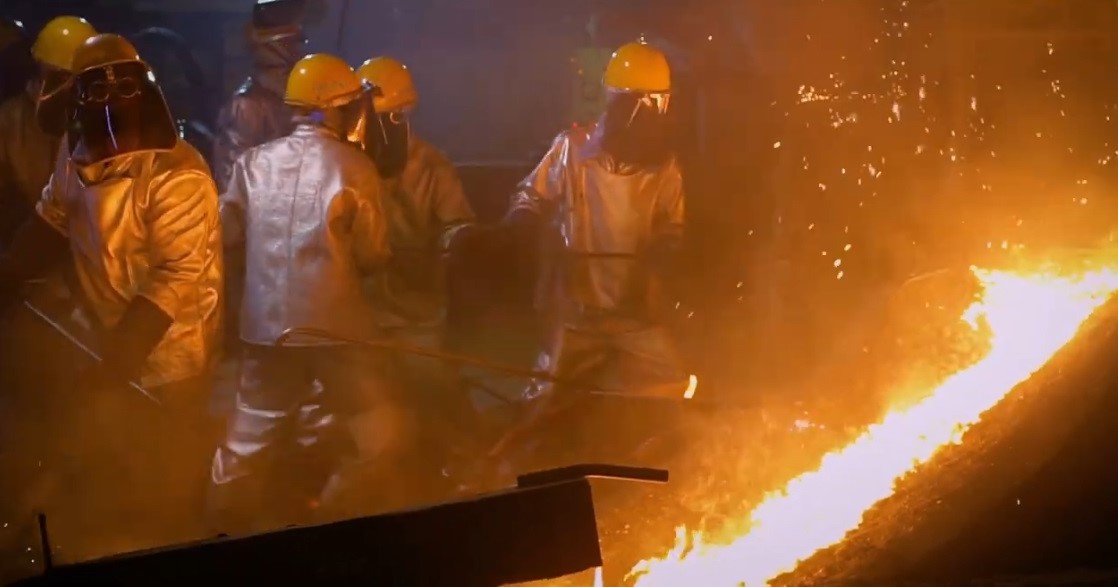
A major win for Indonesia is the removal of U.S. restrictions on imports of critical minerals from Indonesia.
Dadan Kusdiana, Secretary General of Indonesia’s Ministry of Energy and Mineral Resources (ESDM), clarified that only processed minerals would be eligible for export.
“These are all industrial commodities. This does not include raw ore exports. It aligns with the government’s national downstream processing policy,” said Kusdiana.
U.S. Agricultural Products Granted Easier Market Access
Indonesia will also loosen import restrictions on U.S. agricultural and food products, including:
Removal of import licensing requirements.
Recognition of geographical indications (GIs) for U.S. meat and cheese.
Direct recognition of regulatory oversight by U.S. authorities, including listings of certified beef, poultry, and dairy facilities.
Data Transfer and Digital Trade Commitments
The agreement also touches on digital trade and data policy. Indonesia has committed to:
Eliminating tariffs on electronic transmissions.
Supporting a customs moratorium on digital goods under the WTO framework.
Ensuring cross-border transfer of personal data to the U.S., acknowledging that the U.S. offers adequate personal data protection in accordance with Indonesian law.
“American businesses have waited years for these reforms,” stated the White House.
Labor Reform and Increased Imports from the U.S.
In addition, Indonesia has agreed to:
Ban the import of forced labor.
Lift restrictions on labor unions and the right to organize.
Increase imports of key U.S. goods, particularly in agriculture, aerospace, and energy.
This landmark trade agreement allows Indonesia to resume its processed mineral exports to the U.S. while committing to significant reforms in trade, labor, and digital policies.
Despite facing a steep 19% tariff on exports to the U.S., the deal is seen as a strategic move aligned with Indonesia’s downstream processing agenda and digital transformation goals. (AT Network)
Follow Us at Google News and WA Channel