
ASIATODAY.ID, JAKARTA — Indonesia will usher in a new era of criminal law on January 2, 2026, as its long-awaited new Criminal Code (KUHP) officially comes into force, criminalising sex outside marriage, insults against the president, and the dissemination of ideologies deemed contrary to state principles.
The new code, spanning 345 pages, was passed in 2022 and replaces Indonesia’s colonial-era criminal law inherited from the Dutch. While the government frames it as a milestone in legal sovereignty, rights groups warn the broadly worded provisions could curb civil liberties and freedom of expression.
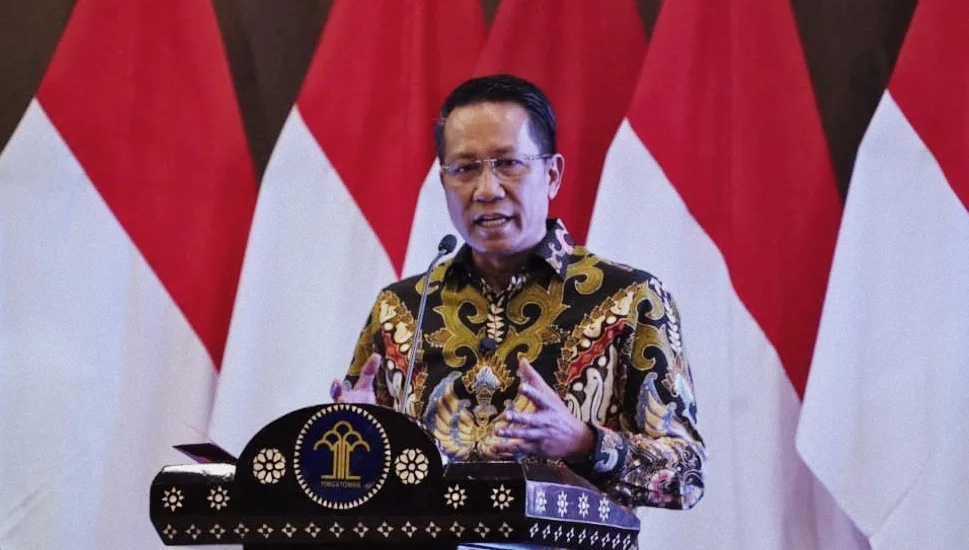
Law Minister Supratman Andi Agtas, quoted on Friday, Januari 2, 2026, acknowledged the risks associated with the implementation of the new law.
“There is indeed a risk of abuse,” Agtas said. “That is why public oversight is crucial. No new system is perfect from the start.”
Key Provisions Under Scrutiny
Several articles in the new Criminal Code have drawn sharp criticism from legal experts and civil society organisations due to their scope and potential for misuse:
– Sex outside marriage is punishable by up to one year in prison, but only if a complaint is filed by a spouse, parent, or child of the accused.
– Insulting the president or state institutions can carry a sentence of up to three years in prison.
– Spreading communism or ideologies considered incompatible with Pancasila, Indonesia’s state ideology, is punishable by up to four years in prison.
– The definition of acts that “attack honour or dignity” includes defamation and slander—terms critics say are vaguely defined and open to interpretation.
Democracy activists warn the provisions could expose journalists, political critics, and ordinary citizens to criminal prosecution, potentially chilling dissent and public debate.
Government Promises Safeguards
The government insists law enforcement agencies have received extensive training ahead of the code’s implementation. The new Criminal Code will take effect alongside a revised Criminal Procedure Code (KUHAP), which authorities say includes oversight mechanisms to prevent excessive or arbitrary enforcement.
Officials argue the revised law reflects Indonesia’s cultural values and introduces a stronger emphasis on restorative justice, positioning it as a distinctly national legal framework rather than a copy of Western systems.
As the law comes into force, one reality is unavoidable: from January 2026 onward, private life, political criticism, and ideological expression in Indonesia will operate under a far stricter criminal legal regime—one that will be closely watched at home and abroad. (AT Network)
Follow Us at Google News and WA Channel