
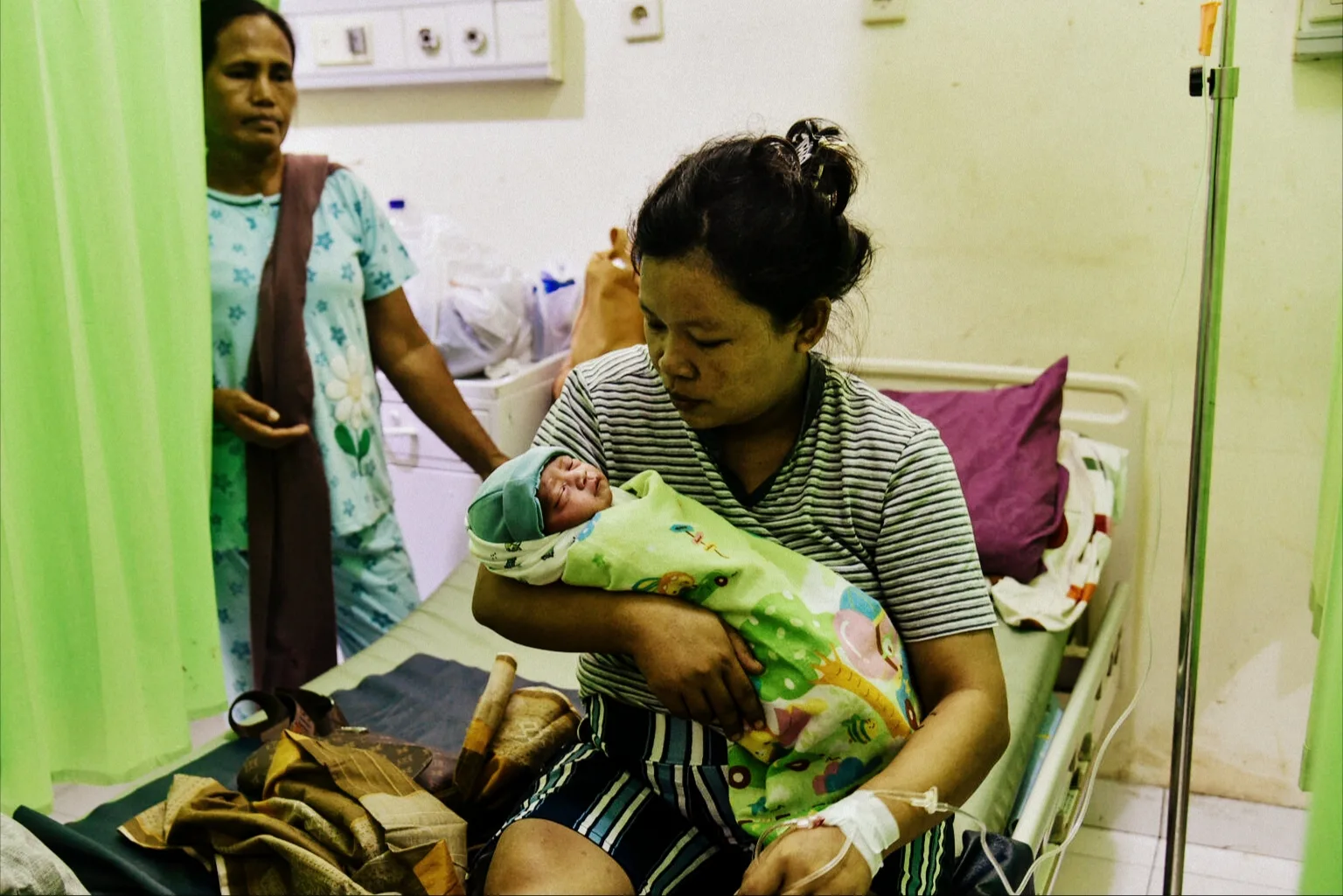
ASIATODAY.ID, JAKARTA – Despite progress in breastfeeding rates across Indonesia, millions of babies are still missing out on their right to exclusive breastfeeding for the first six months of life. This concern was highlighted by UNICEF and the World Health Organization (WHO) during the 2025 World Breastfeeding Week, observed annually from August 1–7.
In Indonesia, the national observance carries the theme: “Prioritize Breastfeeding: Build a Sustainable Support System.” The message underscores the urgent need for a comprehensive support system that empowers mothers to breastfeed—whether at home, in the workplace, or in health facilities.
Progress Achieved, but Challenges Remain
UNICEF and WHO have commended the Indonesian government for its ongoing commitment to protecting, promoting, and supporting breastfeeding. According to the latest data, the exclusive breastfeeding rate for infants under six months has increased from 52% in 2017 to 66.4% in 2024.
Yet, this means one-third of Indonesian babies still do not receive exclusive breastfeeding, missing out on critical health and developmental benefits during the most formative months of life.
“When mothers and their babies succeed in breastfeeding, the ripple effects extend far beyond the family—they impact public health and national development,” said Maniza Zaman, UNICEF Representative to Indonesia, August 1, 2025.
UNICEF and WHO recommend that mothers initiate breastfeeding within the first hour after birth, and practice exclusive breastfeeding for the first six months, without any other food or liquid—even water.
Scientific evidence shows that breastfeeding improves children’s cognitive development by 3–4 IQ points, reduces the risk of childhood obesity, and provides lifelong protection against non-communicable diseases. Alarmingly, babies who are not breastfed are up to 14 times more likely to die before their first birthday compared to those who are exclusively breastfed.
In addition, unlike formula milk production, breastfeeding is environmentally sustainable, as it produces no packaging waste or carbon emissions.
According to Dr. N. Paranietharan, WHO Representative to Indonesia, breastfeeding success is closely tied to the strength of the support systems surrounding mothers. Many women face challenges such as lack of knowledge, insufficient maternity leave, and inadequate lactation facilities in the workplace.
To address these challenges, UNICEF and WHO recommend several key actions:
– Expand access to skilled breastfeeding counseling, including through remote services like the Ministry of Health’s telecounseling platform.
– Ensure all maternity facilities implement the Ten Steps to Successful Breastfeeding under the Baby-Friendly Hospital Initiative.
– Uphold the International Code of Marketing of Breast-milk Substitutes, protecting families from unethical marketing practices.
– Integrate breastfeeding education into health worker training curricula.
– Enact family-friendly workplace policies, including paid maternity leave, lactation rooms, and flexible work arrangements.
A Call for Collective Action to Secure Every Child’s Future
UNICEF and WHO are calling on governments, businesses, healthcare institutions, private sectors, and communities to invest in sustainable support systems for breastfeeding mothers.
“No mother should face the challenges of breastfeeding alone,” said Maniza Zaman. “We need a collective, cross-sectoral commitment to ensure every baby in Indonesia gets the healthiest start in life.”
By building a more inclusive and supportive ecosystem, Indonesia can accelerate progress toward a healthier, more resilient future generation. (AT Network)
Follow Us at Google News and WA Channel