
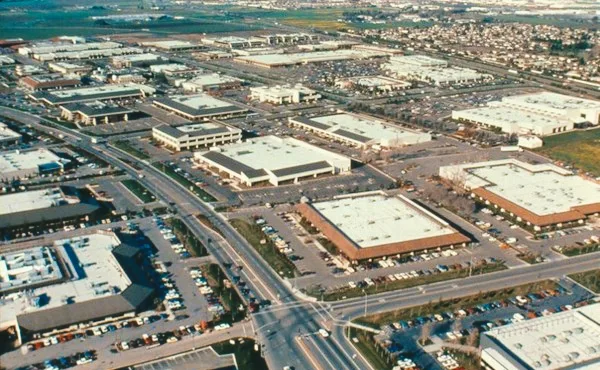
ASIATODAY.ID, JAKARTA — The Indonesian government has reaffirmed its firm commitment to protecting environmental and public safety by declaring the Modern Cikande Industrial Estate in Serang, Banten, as a Special Incident Area for Cesium-137 Radiation Contamination.
The announcement was made by the Minister of Environment and Head of the Environmental Protection Agency (KLH/BPLH) following nearly two weeks of intensive on-site work by the Cesium-137 Radiation Task Force.
With this special status, all activities within the industrial zone are now fully under the control of the Task Force — a strategic move to ensure a comprehensive, measured, and safe response to protect both the environment and public health.
The case began when authorities discovered several stockpiled sites of slag material from metal smelting processes found to contain the radioactive isotope Cesium-137. Recognizing the severe risks, the Ministry of Environment (KLH) immediately coordinated with the Nuclear Energy Regulatory Agency (BAPETEN), the National Research and Innovation Agency (BRIN), and the Police Mobile Brigade’s Chemical, Biological, Radiological, and Nuclear Unit (KBRN) to secure the area and prevent human exposure.
KBRN promptly installed security barriers around eight identified sites, followed by decontamination operations carried out by a Special Implementation Team.
KLH/BPLH and inter-agency teams are continuing to conduct further detection efforts in surrounding areas to ensure that no additional radiation sources remain undetected.
So far, the Task Force has identified ten radiation-emitting sites with varying levels of Cesium-137 intensity. Two of these sites have already been successfully decontaminated, with the radioactive materials transferred to a warehouse owned by PT Peter Metal Technology Indonesia, confirmed as the local source of contamination.
Operations at the facility have been completely halted, and all decontaminated waste is being handled under strict BAPETEN and BRIN standards. The remaining eight sites will undergo gradual decontamination following detailed inventory assessments to ensure precise and effective remediation measures.
To minimize broader radiation exposure risks, the Indonesian National Police and BAPETEN have installed warning signs and safety perimeters around all contaminated areas. The government has also urged residents to avoid entering or disturbing the sites, as direct contact could pose serious health hazards.
Beyond technical containment, the government has established a Public Communication and Information Team comprising health officials, military and police personnel, community leaders, and religious figures. This team is tasked with continuously educating and informing the public until all mitigation efforts are complete.
Entry and exit from the industrial zone are now strictly monitored through Radiation Portal Monitoring (RPM) systems, to be fully operational starting October 1. During the transition phase, manual monitoring using radiation detectors from the Police Gegana Unit, BAPETEN, and BRIN is being conducted. Every person and item leaving the zone must be certified free of Cesium-137 exposure; if contamination is detected, decontamination procedures are mandatory before clearance.
From a health perspective, the Ministry of Health is conducting intensive monitoring of residents living near the affected area. Individuals showing higher contamination levels will undergo further examinations using Whole Body Counter (WBC) technology to assess their internal exposure and will be subject to ongoing observation until they are confirmed to be safe.
The government estimates that the decontamination and remediation process will take several months before the area can be fully restored. Nevertheless, Minister Hanif assured that the situation is under full control.
“Once again, we emphasize that the situation is being managed with utmost precision. The public should remain calm, as every step is carried out carefully under strict safety protocols,” said Minister Hanif quoted October 7,2025.
He further stressed that addressing radiation contamination is not merely a technical matter but also a reflection of the state’s commitment to public welfare.
“Handling radioactive contamination is not only about decontamination procedures but also about the government’s responsibility to protect its citizens. We ensure all measures comply with international safety standards through strong inter-agency collaboration,” Minister Hanif asserted.
Acting Head of BAPETEN Sugeng Sumbarjo highlighted the importance of swift government action in minimizing broader risks.
“Cesium-137 is a radioactive substance that requires extreme caution in handling. The government’s rapid response has been crucial in breaking the chain of risk from the earliest stage,” Sugeng explained.
The declaration of this Special Incident Area underscores the government’s strong resolve — through KLH/BPLH — to ensure environmental protection and safeguard public safety from the threat of hazardous radiation.
Through coordinated multi-agency efforts, strict supervision, and transparent public communication, the state stands firmly present in protecting both the planet and its people from radioactive contamination risks. (AT Network)
Follow Us at Google News and WA Channel