
ASIATODAY.ID, JAKARTA — The fear premium that pushed global oil prices higher is beginning to unwind.
After a period of intense volatility triggered by Middle East tensions, crude markets are moving into calmer territory as supply risks ease and confidence returns to global energy flows.
Indonesia’s crude benchmark, the Indonesian Crude Price (ICP), fell to US$83.45 per barrel in June 2026, dropping from US$106.56 per barrel in May.
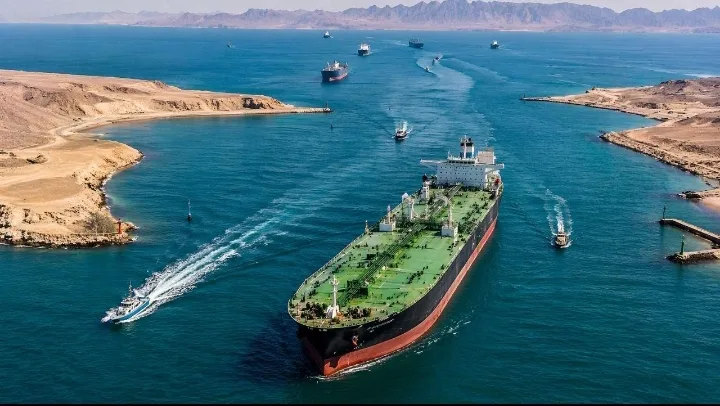
The sharp decline mirrors a broader global trend, with investors reassessing supply risks after tensions in the Middle East showed signs of easing and key shipping routes gradually returned to normal operations.
From Geopolitical Shock to Market Stabilization
The Middle East remains at the center of global oil market concerns, particularly because disruptions around the Strait of Hormuz could affect a major share of international energy shipments.
Earlier uncertainty involving the United States, Israel and Iran pushed crude prices higher as markets priced in the possibility of prolonged supply disruptions.
But as tensions moderated, the risk premium embedded in oil prices began to decline.
Indonesia’s ICP movement followed major global benchmarks. Brent crude dropped to US$84.98 per barrel, while West Texas Intermediate (WTI) declined to US$82.41 per barrel during June.
Growing Supply Limits Price Recovery
The correction was also driven by changing fundamentals in the global oil market.
The International Energy Agency (IEA) expects global oil demand growth at around 1.1 million barrels per day, while OPEC+ continues increasing production.
Additional supply from major producers, including Russia’s planned output expansion under the 2026 OPEC+ framework, has added pressure on prices.
With supply recovering faster than demand growth, markets are becoming more balanced after months of uncertainty.
Indonesia Faces a New Oil Market Reality
For July 2026, Indonesia expects its crude benchmark to remain lower, with ICP projected at around US$67–US$71 per barrel, depending on global market developments.
However, the market remains highly sensitive. A renewed geopolitical crisis could quickly reverse the decline, while stronger supply recovery could keep prices contained.
For Indonesia, fluctuations in global crude prices carry broader implications — affecting energy costs, fiscal planning and the resilience of the national economy.
The direction of oil markets in the months ahead will depend on the interaction between geopolitical stability, global demand and production growth. (AT Network)
Follow Us at Google News, Instagram and LinkedIn