
ASIATODAY.ID, MACAO — APEC economies have endorsed a shared vision to harness artificial intelligence (AI) and digital innovation to reshape the tourism sector, positioning it as a stronger driver of economic growth, regional connectivity, and sustainable development across the Asia-Pacific.
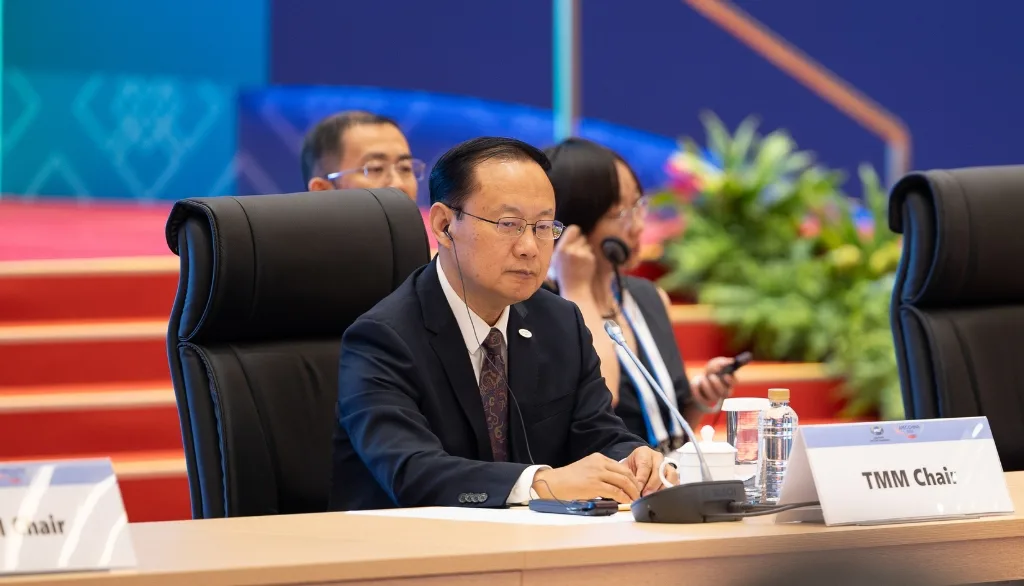
The commitment is set out in the Chair’s Statement of the 13th APEC Tourism Ministerial Meeting, held in Macao and released on Friday. Chaired by China’s Minister of Culture and Tourism, Sun Yeli, the meeting brought together tourism ministers and senior officials under the theme “Digital Innovation, Collaborative Empowerment: Leveraging Tourism for an Asia-Pacific Community.”
The statement underscores a growing consensus among APEC economies that digital transformation will be central to the future competitiveness of the tourism industry. Ministers reaffirmed tourism’s role as a strategic pillar of economic growth and regional prosperity while committing to accelerate the adoption of emerging technologies throughout the sector.
Artificial intelligence, digital platforms, and data-driven services are expected to improve destination management, enhance visitor experiences, raise productivity, and modernize tourism services. Ministers also pledged to advance digital transformation in line with the APEC AI Initiative (2026–2030), with the goal of ensuring that technological progress delivers tangible benefits for businesses, workers, travelers, and local communities.
Supporting micro, small, and medium-sized enterprises (MSMEs) is another key priority. The ministers agreed that digital platforms can help smaller businesses integrate more effectively into regional and global tourism value chains by improving access to technology, digital markets, and business opportunities.
Acknowledging that technological disruption will reshape employment across the industry, APEC members called for greater investment in digital literacy, workforce upskilling, lifelong learning, and entrepreneurship. They also emphasized narrowing digital gaps to ensure that the benefits of innovation are shared more broadly across economies and communities.
Sustainability remains a core element of APEC’s tourism agenda. The ministers encouraged policies that promote responsible tourism, conserve biodiversity, improve resource efficiency, expand investment in sustainable infrastructure, and advance circular economy practices in line with APEC’s Bangkok Goals on the Bio-Circular-Green (BCG) Economy.
The statement also recognizes the important role of local communities and Indigenous Peoples, where appropriate, in preserving cultural and natural heritage while encouraging the use of digital technologies to promote creative industries and community-based tourism.
To strengthen regional connectivity, APEC economies pledged to improve travel facilitation by promoting secure and seamless cross-border mobility, including wider adoption of digital travel solutions such as electronic visas where appropriate. Ministers also encouraged greater interoperability in cross-border payment systems to make travel more convenient and reduce transaction costs for visitors and businesses alike.
The ministers further highlighted the importance of expanding air connectivity, developing commercially viable international routes, and strengthening the Meetings, Incentives, Conferences and Exhibitions (MICE) sector through digital innovation and modern infrastructure.
Looking ahead, APEC members committed to expanding cooperation through the voluntary exchange of best practices in artificial intelligence, digital platforms, destination management, and data-driven policymaking to better anticipate tourism demand and improve policy coordination across the region.
The meeting concluded with a reaffirmation that tourism remains a powerful instrument for strengthening people-to-people ties, deepening regional economic integration, and generating shared prosperity throughout the Asia-Pacific. Ministers thanked China for hosting the meeting in Macao and confirmed that the next APEC Tourism Ministerial Meeting will be held in Mexico in 2028. (AT Network)
Follow Us at Google News, Instagram, WA Channel, and LinkedIn