
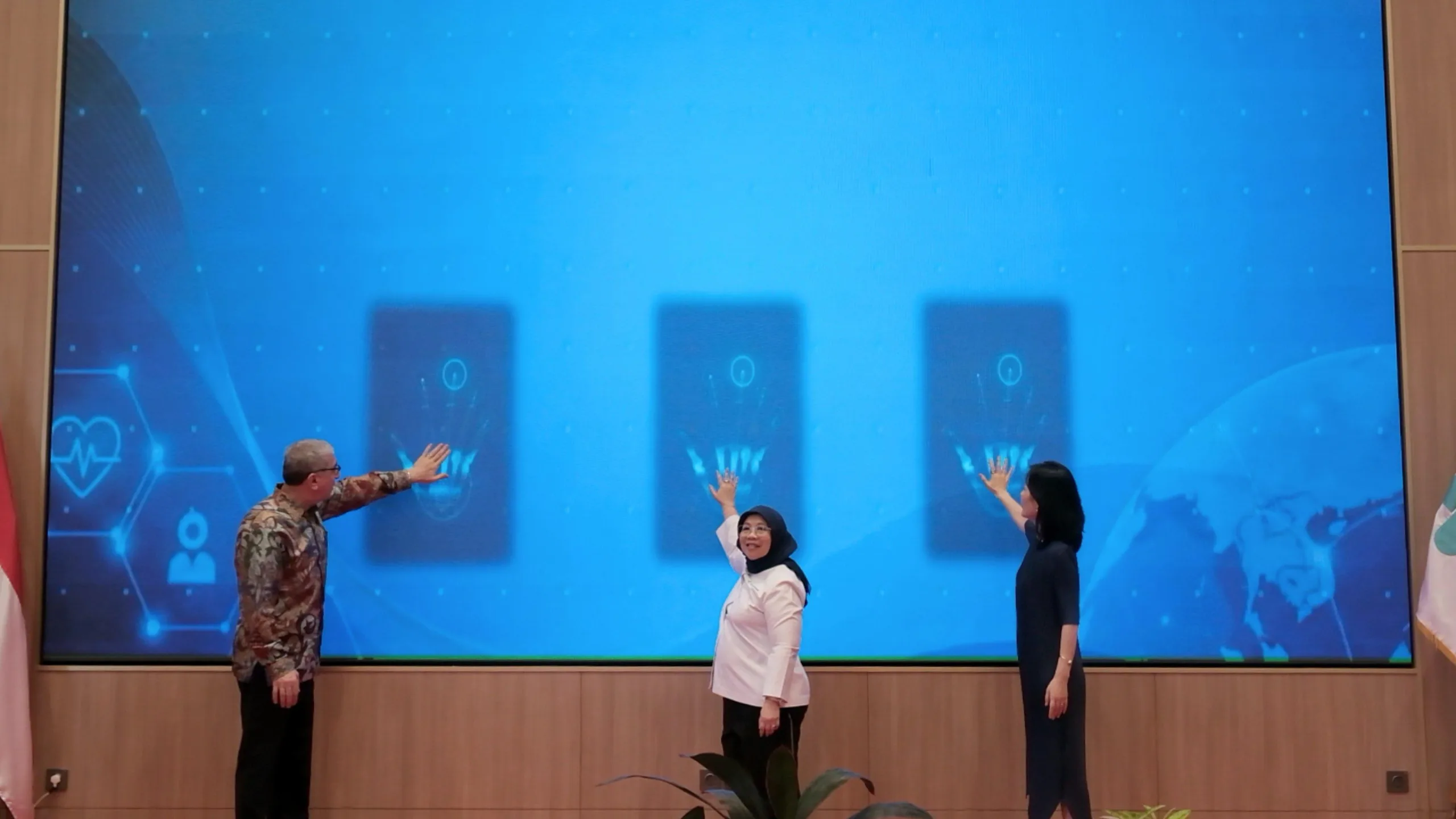
ASIATODAY.ID, JAKARTA — Indonesia has launched a landmark initiative to transform midwifery education and strengthen maternal healthcare through a strategic partnership between the Ministry of Health, the Korea International Cooperation Agency (KOICA), and the United Nations Population Fund (UNFPA).
The Strengthening Professional Education and Enhanced Policy Framework for Midwifery Development in Indonesia (SPEED) project aims to improve the quality of maternal and newborn healthcare by equipping midwives with internationally recognized competencies while creating a sustainable system for lifelong professional development.
The initiative comes as Indonesia continues to make steady progress in reducing maternal mortality. According to the 2025 Intercensal Population Survey (SUPAS), the country’s maternal mortality ratio declined to 144 deaths per 100,000 live births, down from 189 in 2020. Yet pregnancy- and childbirth-related complications still claim the lives of Indonesian women every one to two hours, highlighting the urgent need to improve the quality—not only the accessibility—of maternal healthcare.
Although Indonesia has achieved broad access to skilled birth attendants, health authorities acknowledge that better-trained and highly competent midwives are essential to preventing avoidable maternal and newborn deaths.
Speaking at the launch ceremony in Jakarta, Yuli Farianti, Director General of Health Workforce at the Ministry of Health, reaffirmed the government’s commitment to reducing maternal mortality to below 77 deaths per 100,000 live births by 2029.
“Investing in midwifery education is an investment in Indonesia’s future. Highly competent midwives are indispensable to reducing maternal and newborn mortality while strengthening the resilience of our national healthcare system,” she said.
The SPEED project is built on two strategic pillars. It will upgrade pre-service education at 12 Ministry of Health Polytechnics (Poltekkes) by aligning curricula with the global standards of the International Confederation of Midwives (ICM). It will also establish a nationwide digital platform for Continuing Professional Development, enabling midwives to continuously enhance their clinical competencies throughout their careers.
The revised curriculum will emphasize life-saving emergency obstetric and newborn care while strengthening healthcare providers’ capacity to identify and respond to violence against women and girls.
With more than 358,000 practicing midwives, Indonesia relies heavily on its midwifery workforce as the backbone of maternal and reproductive healthcare, making sustained investment in professional education critical to improving health outcomes nationwide.
UNFPA Representative in Indonesia Hassan Mohtashami described the initiative as a major step toward ensuring that every Indonesian woman receives high-quality maternal healthcare.
“This partnership moves beyond expanding access to healthcare by prioritizing quality. Through internationally standardized education and a sustainable digital professional development system, we are helping ensure that every mother receives the safe, respectful, and high-quality care she deserves,” he said.
KOICA Indonesia Country Director Kim Hyo Jin said the initiative reflects the power of international cooperation in strengthening national health systems.
“Indonesia has made remarkable progress in maternal health. Through the SPEED project, KOICA is proud to work alongside the Ministry of Health and UNFPA to build a stronger and more sustainable midwifery education system that supports safer pregnancies, safer childbirth, and healthier communities,” she said.
Running through 2030, the SPEED project is expected to directly benefit approximately 8,280 midwifery students and educators, while indirectly improving maternal and newborn health services for millions of families across Java, Sumatra, and Sulawesi.
More broadly, the initiative reinforces Indonesia’s commitment to achieving the Sustainable Development Goals (SDGs) by strengthening the health workforce, improving the quality of maternal healthcare, and accelerating progress toward ending preventable maternal and newborn deaths through sustained international collaboration and long-term institutional reform. (Midwan)
Follow Us at Google News, Instagram, WA Channel, and LinkedIn