
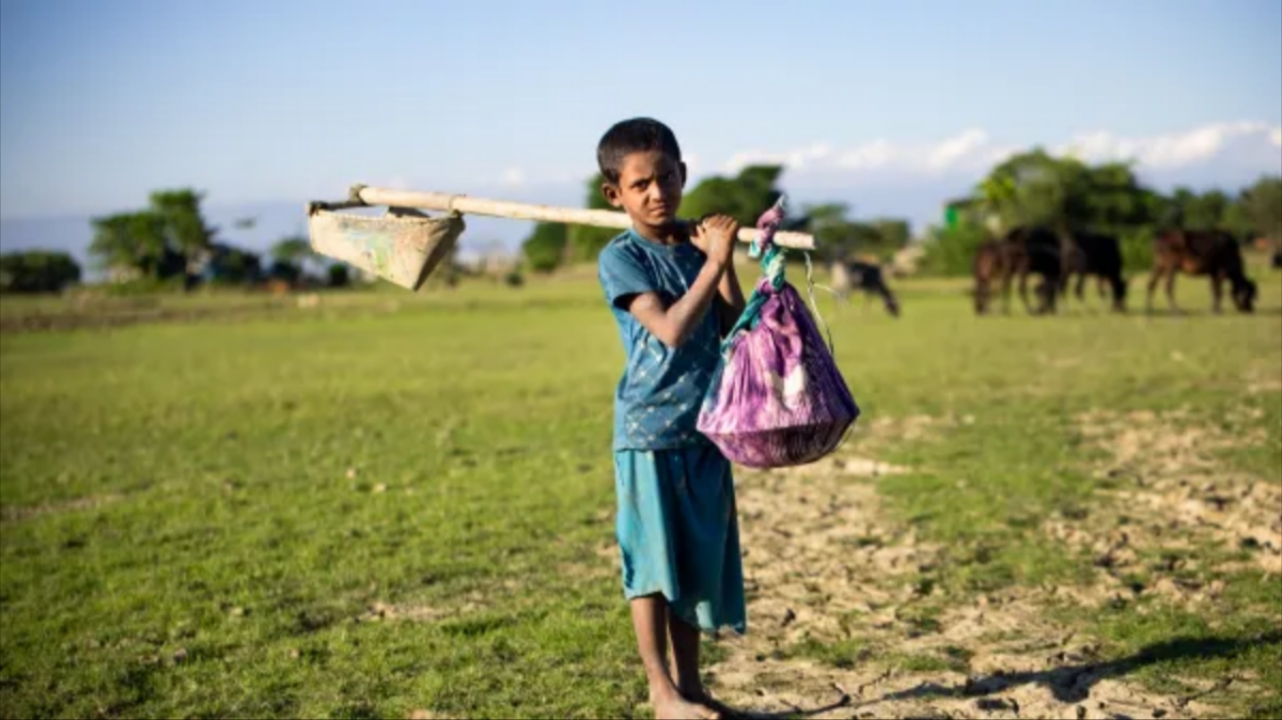
ASIATODAY.ID, GENEVA – A new joint report by the International Labour Organization (ILO) and UNICEF reveals that nearly 138 million children were engaged in child labour in 2024, with 54 million involved in hazardous work that threatens their health, safety, and development.
While this represents a reduction of over 22 million children since 2020, the world is still far from meeting its goal of eliminating child labour by 2025.
Released on the eve of World Day Against Child Labour and the International Day of Play, the report titled Child Labour: Global Estimates 2024, Trends and the Road Forward highlights both progress and persisting challenges in protecting children’s rights.
“The findings of our report offer hope and show that progress is possible,” said ILO Director-General Gilbert F. Houngbo.
“But we must not be blindsided – we still have a long way to go before child labour is eliminated.”
Asia-Pacific Leads the Way in Reducing Child Labour
Among all regions, the Asia-Pacific has shown the most remarkable progress. The child labour rate in the region dropped from 5.6% to 3.1% – a reduction from 49 million to 28 million children since 2020. This notable improvement contrasts with sub-Saharan Africa, which still bears the heaviest burden, accounting for 87 million children – nearly two-thirds of global child labour. Although the region’s prevalence dropped slightly, population growth has kept total numbers stagnant.
In comparison, Latin America and the Caribbean saw modest gains, with an 8% relative reduction in prevalence and an 11% decline in the total number of children in child labour.
Globally, agriculture remains the dominant sector for child labour, representing 61% of all cases. This is followed by the services sector (27%), including domestic work and informal vending, and industry (13%), such as mining and manufacturing.
The report warns that despite steady gains since 2000 – when child labour affected 246 million children – the pace of progress is now too slow. To eliminate child labour within the next five years, the current rate of reduction must increase elevenfold.
UNICEF Executive Director Catherine Russell emphasized that systemic action is needed to maintain progress:
“We know what works: legal safeguards, expanded social protection, investment in free, quality education, and better access to decent work for adults. Without sustained funding, we risk reversing hard-won gains.”
The report outlines five key recommendations: (1) Invest in social protection, particularly for vulnerable families, including universal child benefits. (2) Strengthen child protection systems to identify and address children at risk of the worst forms of labour. (3) Ensure universal access to quality education, especially in rural and conflict-affected areas. (4) Promote decent work for adults and youth, including the right to organize. (5) Enforce laws and corporate accountability to end exploitation across global supply chains.
A Fight Far from Over
Child labour continues to rob children of education, health, and a safe childhood. Boys remain more likely to be involved than girls—except when unpaid household work of over 21 hours per week is considered, which reverses the gender gap.
As global funding shrinks and economic pressures mount, especially in developing economies, the risk of child labour resurging remains high. For Asia-Pacific, the recent progress shows what’s possible—but only if governments and partners act decisively and urgently. (AT Network)
Follow Us at Google News and WA Channel