
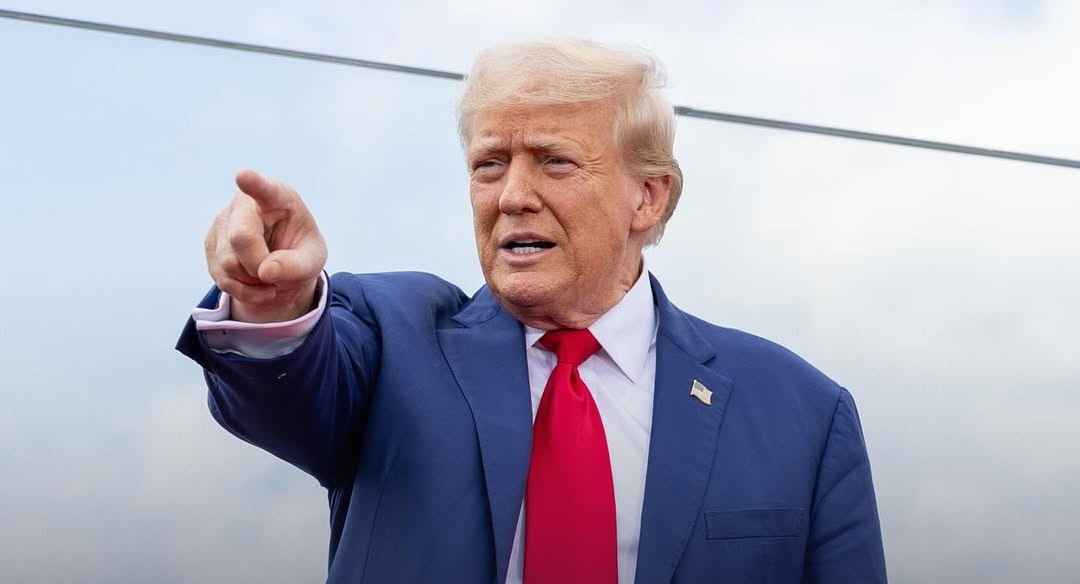
ASIATODAY.ID, WASHINGTON – U.S. President Donald Trump has officially imposed a 32% import tariff on goods from Indonesia, with the policy set to take effect on August 1, 2025. The implementation date was pushed back from its original schedule of July 9.
The announcement was first reported by POTUS on Tuesday, July 8, stating that Indonesia is among 14 countries that received a direct letter from Trump regarding the new tariff policy.
Indonesia Among 14 Countries Targeted by New Tariffs
In addition to Indonesia, the list includes Malaysia, Thailand, Myanmar, Laos, Cambodia, Bangladesh, Serbia, Bosnia, Kazakhstan, South Africa, and Tunisia. Two of the United States’ closest allies, Japan and South Korea, were already targeted with similar tariffs.
“Trump announced that the U.S. will impose a 32% import tariff on Indonesia,” POTUS reported.
This move continues Trump’s aggressive trade stance that began in April, targeting countries he believes are harming U.S. economic interests.
In a letter shared on his Truth Social account, Trump justified the tariff as a measure to “rebalance” trade. According to data released by the White House, the U.S. recorded a $18 billion trade deficit with Indonesia, meaning U.S. imports from Indonesia far exceeded its exports.
Trump also issued a stern warning that any retaliatory tariffs from affected countries would be met with an additional 25% surcharge.
“If, for any reason, you choose to increase tariffs, whatever amount you select will be added on top of the 25% we are imposing,” Trump wrote in a letter addressed to the leaders of Japan and South Korea.
So far, only the United Kingdom and Vietnam have successfully negotiated exemptions from the tariff policy. As of now, the Indonesian government has not issued an official response or outlined its diplomatic course of action in response to Washington’s latest trade move.
Analysts warn that the tariff could severely affect Indonesia’s exports to the U.S., especially in key sectors such as manufacturing, textiles, and electronics.
Business stakeholders are urging the government to take strategic measures to mitigate potential losses and preserve the competitiveness of Indonesian products in global markets. (AT Network)
Follow Us at Google News and WA Channel