
ASIATODAY.ID, NEW DELHI — The global drive toward dedollarisation is gaining fresh momentum as India moves to link the digital currencies of BRICS nations, a step that could accelerate the erosion of US dollar dominance in cross-border trade and payments.
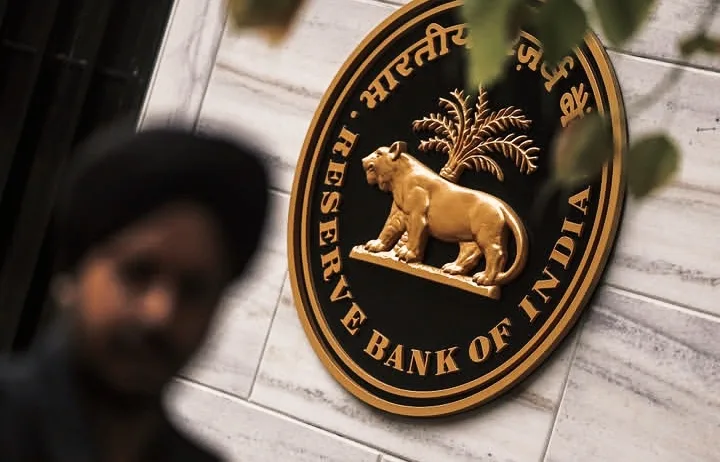
The Reserve Bank of India (RBI) has proposed connecting BRICS central bank digital currencies (CBDCs) to enable seamless transactions, particularly for tourism and intra-bloc trade.
The initiative is expected to feature prominently at the 2026 BRICS Summit, which India will host as chair of the group.
The proposal comes amid rising geopolitical tensions and expanding sanctions regimes, reinforcing BRICS’ long-standing objective of reducing exposure to the dollar-based financial system.
India’s e-rupee, launched in December 2022, has already attracted more than 7 million retail users, underscoring New Delhi’s growing confidence in digital sovereign money.
China, meanwhile, has pledged to expand the international use of the digital yuan, positioning it as a pillar of a future multipolar currency order.
Moscow has been one of the most vocal advocates of dedollarisation, arguing that trade settlement in national currencies shields economies from Western financial pressure.
Data cited by Russia’s Finance Ministry show that 65% of BRICS trade in 2024 was conducted in national currencies, with the combined share of the US dollar and the euro falling below 30%.
Trade flows reflect this shift. Russia–China trade reached $245 billion in 2024, with almost all transactions settled in rubles and yuan.
Brazil previously floated the idea of a common BRICS currency, though the proposal has yet to move beyond the discussion stage.
The pushback from Washington has been blunt. US President Donald Trump has warned that any attempt by BRICS to undermine the dollar would be met with severe economic measures.
Nevertheless, BRICS members such as India and Brazil have insisted they will prioritize national economic sovereignty over external pressure.
Founded in 2009 by Brazil, Russia, India, and China, and later joined by South Africa, BRICS has expanded to include new members such as the United Arab Emirates, Iran, and Indonesia.
Analysts say US tariffs and sanctions threats have only strengthened financial coordination within the bloc.
By moving to connect digital currencies, BRICS is no longer merely talking about dedollarisation — it is building the infrastructure to make it real. (RT)
Follow Us at Google News and WA Channel