
ASIATODAY.ID, KUALA LUMPUR – The European Union (EU), the International Labor Organization (ILO) and the United Nations Children’s Fund (UNICEF) launched a joint initiative to increase educational access and opportunities for children working and living on oil palm plantations Sabah, Malaysia.
UNICEF Representative in Malaysia Robert Gass said every child, whatever their legal status, has the right to a childhood and the full range of rights guaranteed in the Convention on the Rights of the Child.
“We believe that change for children working on and around plantations will be if all sectors – public and private – work together to prevent and resolve the root causes of child labor, and promote recovery when it occurs. “Partnerships with stakeholders in the field, like the one we are building today, are very urgent for children in Sabah,” said Gass in a statement broadcast by the ILO, Friday, 14 June 2024.
The statement said children work on plantations because their families struggle financially due to low wages and pressure to increase palm fruit production.
Limited access to formal schools and to child protection and childcare services on oil palm plantations worsens the situation, the statement continued.
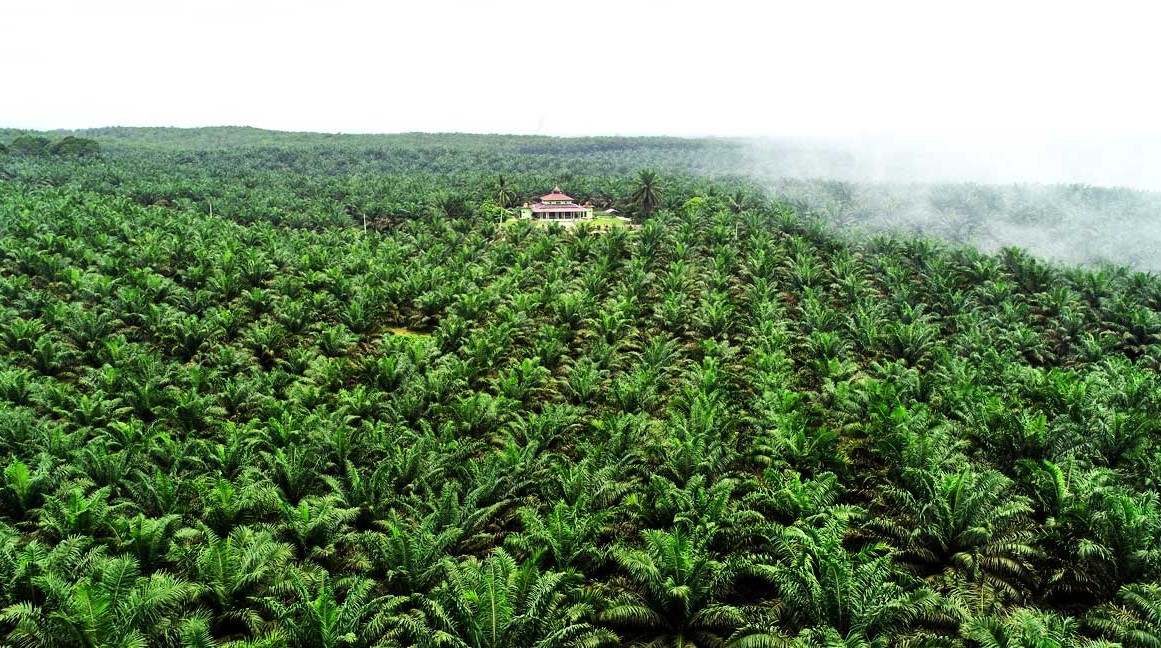
On the occasion of World Day Against Child Labor, the EU, ILO and UNICEF launched an 18-month program aimed at promoting socio-economic inclusion and protecting children’s rights in Tawau oil palm plantations.
The initiative aims to provide these children with better access to education and training, helping to address the root causes of child labor in the region.
Child labor on oil palm plantations in Sabah is widespread. Many children work to support their parents, endangering their physical safety, health, education and development.
The 2018 plantation employment survey by the Malaysian Government estimated that 33,600 children aged 5-17 years were working in the palm oil industry, with Sabah accounting for 58.8 percent (around 19,800 children) of the total.
Children of oil palm plantation workers face a number of barriers to accessing alternative employment opportunities. They include lack of documentation, discrimination, isolation and limited access to education.
In that context, it is very common for young people aged 16 years and above from plantation communities to be involved as workers on these plantations.
Without training and upskilling, young workers tend to remain in high-risk, low-paying sectors, making it difficult to escape environmental cycles of poverty.
ILO Deputy Regional Director for Asia and the Pacific Panudda Boonpala said his organization values collaboration with the Malaysian Government and key stakeholders including employers in making collective efforts to address the challenge of child labor.
Therefore, they welcomed the new initiative and continued joint efforts to prevent and eliminate child labor.
The initiative, which will run until June 2025, will reach children, young people and their families, both documented and undocumented, living and working in and around oil palm plantations in Tawau, Sabah.
The aim is, among other things, to increase data collection from child workers in and around oil palm plantations, as well as increasing awareness of children’s rights issues which are the root causes of child labor among key stakeholders.
In addition, establishing understanding and accelerating solutions to address the issue of children’s rights which is the root of the child labor problem, creating education and training models that can be imitated, and formulating a joint road map between the Malaysian government and the UN towards eradicating child labor and related rights issues. child in Sabah. (AT Network)
Follow Us at Google News and WA Channel