
ASIATODAY.ID, JAKARTA – Indonesia is increasingly being flooded with illegal fish imports from China, raising serious concerns over the protection of local fishermen and the stability of the national seafood market.
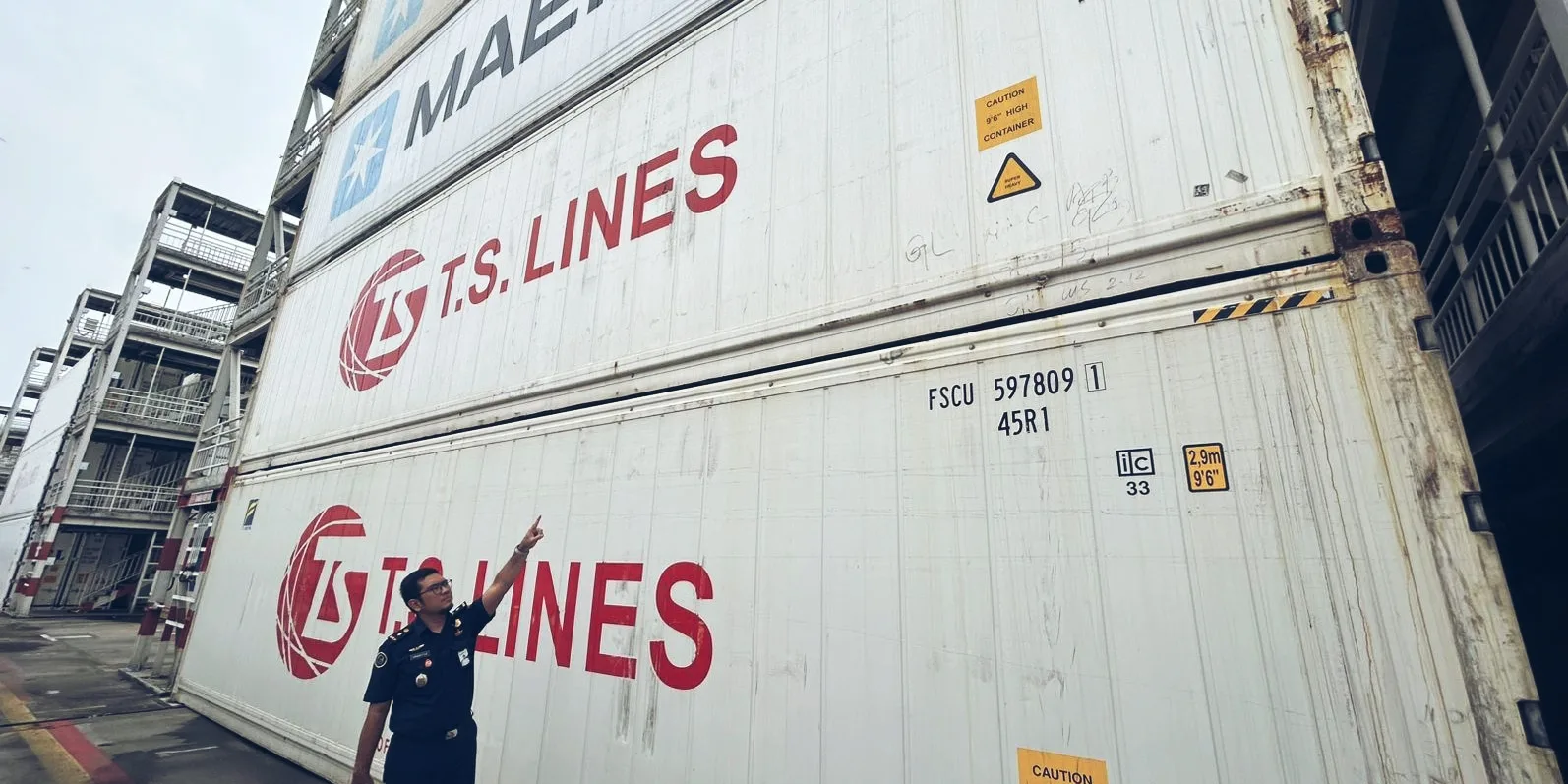
The Ministry of Marine Affairs and Fisheries (KKP) has uncovered the illegal importation of nearly 100 tons of frozen Pacific mackerel (salem) at Tanjung Priok Port, the country’s main maritime gateway.
A total of 99,972 kilograms of frozen fish were seized at New Priok Container Terminal One (NPCT1) on January 5, 2026. The case highlights persistent vulnerabilities in Indonesia’s import control system, particularly at major ports handling seafood commodities.
According to Pung Nugroho Saksono, Director General of Marine and Fisheries Resources Surveillance, the operation was launched following public reports of suspicious import activity by PT CBJ, a seafood trading and freezing company based in North Jakarta.
“Four containers carrying nearly 100 tons of illegal fish have been secured in coordination with Customs and Excise at Tanjung Priok. The evidence is now under the authority of the Indonesian Quarantine Agency,” Ipunk said on Tuesday, January 13, 2026.
China Dominates Illegal Fish Import Origins
KKP’s Director of Fisheries Resources Surveillance, Halid K. Jusuf, confirmed that China was the most frequently identified country of origin in Indonesia’s illegal seafood import cases throughout 2025.
“In most cases, the origin of illegal fish imports is China,” Halid said during a press briefing in Jakarta.
Throughout 2025, KKP recorded multiple enforcement actions against illegal seafood imports, including raw materials for fish feed, at key ports such as Tanjung Priok (Jakarta) and Tanjung Perak (Surabaya). In total, authorities intercepted around 30 containers linked to illegal import practices.
Expired Import Quotas Used as a Smuggling Tactic
In the latest case, PT CBJ allegedly used an expired Import Approval (PI) whose quota had already been fully utilized by mid-2025. Despite the exhausted quota, the company reportedly continued shipments toward the end of the year.
Frozen Pacific mackerel (salem) is a quota-controlled import commodity under Indonesia’s fisheries trade regulations. Authorities believe the shipment violated Article 356(1)(q) of Government Regulation No. 28 of 2025 on Risk-Based Business Licensing, exposing the importer to administrative sanctions.
KKP has also recommended that the Indonesian Quarantine Agency take decisive action, including rejection or destruction of the seized fish, to prevent it from entering the domestic market.
Serious Threat to Local Fishermen
Saksono warned that illegal fish imports pose a direct threat to local fishermen’s livelihoods, as cheaper imported fish can significantly depress domestic market prices.
From the single seizure of 99 tons of illegal fish, the government estimates it has prevented economic losses of approximately IDR 4.48 billion (around USD 290,000), including potential tax revenue and market disruption impacts.
Overall, KKP reported that intensified surveillance throughout 2025 helped safeguard an estimated IDR 9.3 billion in potential economic losses from illegal seafood imports.
Legal Imports Still Allowed, Under Tight Control
Halid acknowledged that Indonesia still permits seafood imports for certain commodities due to insufficient domestic supply. Species such as salmon and mackerel remain necessary for specific processing industries, including traditional fish preservation.
“However, whether legal or illegal, any shipment that deviates from its approved purpose or distribution channels will be subject to enforcement,” Halid stressed.
The crackdown aligns with the policy direction of Minister of Marine Affairs and Fisheries Sakti Wahyu Trenggono, who has prioritized the protection of domestic fisheries, fair market pricing, and the sustainability of Indonesia’s marine economy.
Authorities have vowed to pursue all illegal fish import cases—particularly those linked to China—to their legal conclusion. (AT Network)
Follow Us at Google News and WA Channel