
ASIATODAY.ID, JAKARTA — Indonesia is laying the groundwork for a major push to reduce its dependence on imported medicines and medical devices.
Through the Ministry of Industry, the government is advancing the development of Biotown, a thematic industrial zone for pharmaceuticals and medical devices that could be designated as a National Strategic Project. As the plan takes shape, one key question is drawing growing attention: who will invest in Biotown?
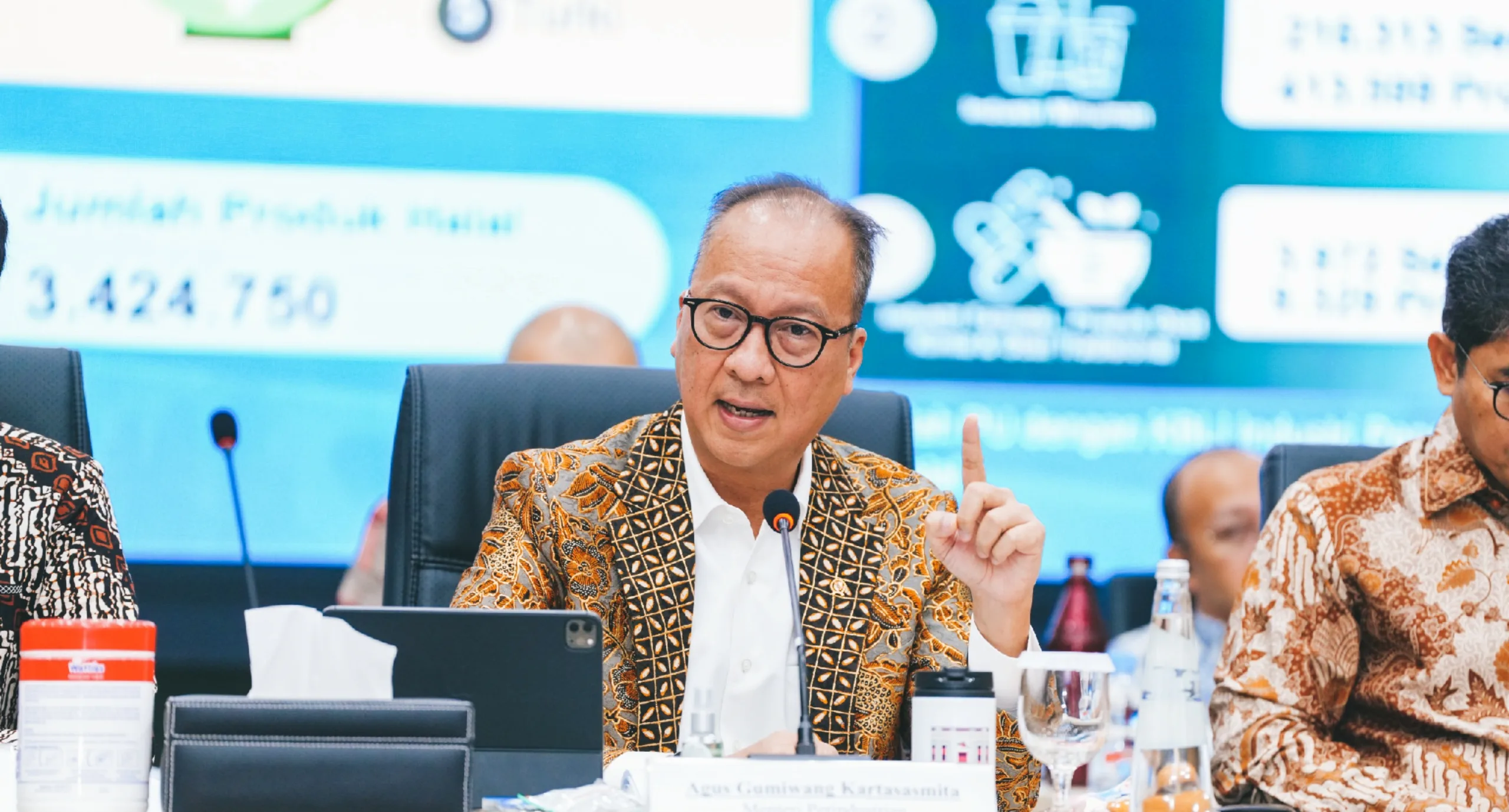
Minister of Industry Agus Gumiwang Kartasasmita stressed that Indonesia’s future industrial strategy must go beyond economic growth and directly support the country’s long-term strategic interests.
“We will pursue the establishment of industrial zones that can be designated as National Strategic Projects or Special Economic Zones. This will depend on the theme and whether it truly aligns with the nation’s strategic needs,” Agus said in Jakarta quoted on Monday, January 5, 2026.
Biotown as a Strategic Health Industry Hub
Within this framework, Biotown is being positioned as an integrated hub for pharmaceutical and medical device manufacturing, spanning the value chain from raw materials to finished products. The initiative is aimed at strengthening Indonesia’s health security, particularly as the country remains heavily reliant on imported medicines.
“Through Biotown, we expect Indonesia’s capacity to produce medicines and medical devices domestically to become significantly stronger,” Agus said.
Recent global supply chain disruptions have underscored the risks of overreliance on imports, reinforcing the government’s push to localize strategic health industries.
Built on Herbal Resources and Biodiversity
A defining feature of the Biotown concept is its reliance on Indonesia’s rich biodiversity. Pharmaceutical products developed within the zone are expected to be based on herbal ingredients, medicinal plants, and locally sourced biological resources.
“What makes this initiative particularly compelling is that the medicines developed will be based on Indonesia’s own natural resources—herbal-based and derived from our biodiversity,” Agus added.
This approach positions Biotown as a key driver of Indonesia’s emerging bioindustry and bioeconomy, while creating higher value-added applications for local resources.
Who Are the Investors?
While Biotown has moved beyond the conceptual stage, the government has yet to publicly disclose the identities of its backers.
Agus revealed that the Ministry of Industry has already received a proposal from a major business group expressing interest in developing the Biotown industrial zone.
However, officials emphasize that any investor involved will be subject to strict evaluation, particularly in terms of: alignment with national industrial policy, commitment to domestic manufacturing and downstream development, and support for health sector self-reliance.
This signals that Biotown is not being positioned as a conventional commercial project, but as a strategic state-backed initiative.
The Biotown initiative is closely aligned with the President’s Asta Cita agenda, particularly the fifth pillar, which prioritizes equitable and high-quality healthcare. In industrial policy terms, this translates into health resilience and self-sufficiency.
“Industrial zones must be fully aligned with government priorities—energy security, food security, and health security,” Agus said.
A High-Stakes Bet on Health Sovereignty
According to the Ministry of Industry, thematic industrial zones such as Biotown will define Indonesia’s future industrial landscape. Beyond economic value, Biotown represents a strategic bet on national health sovereignty.
Although the identities of potential investors remain undisclosed, one message is clear: Biotown is being prepared as a long-term foundation for Indonesia’s pharmaceutical and medical device industry, not as a short-term investment play. (AT Network)
Follow Us at Google News and WA Channel