
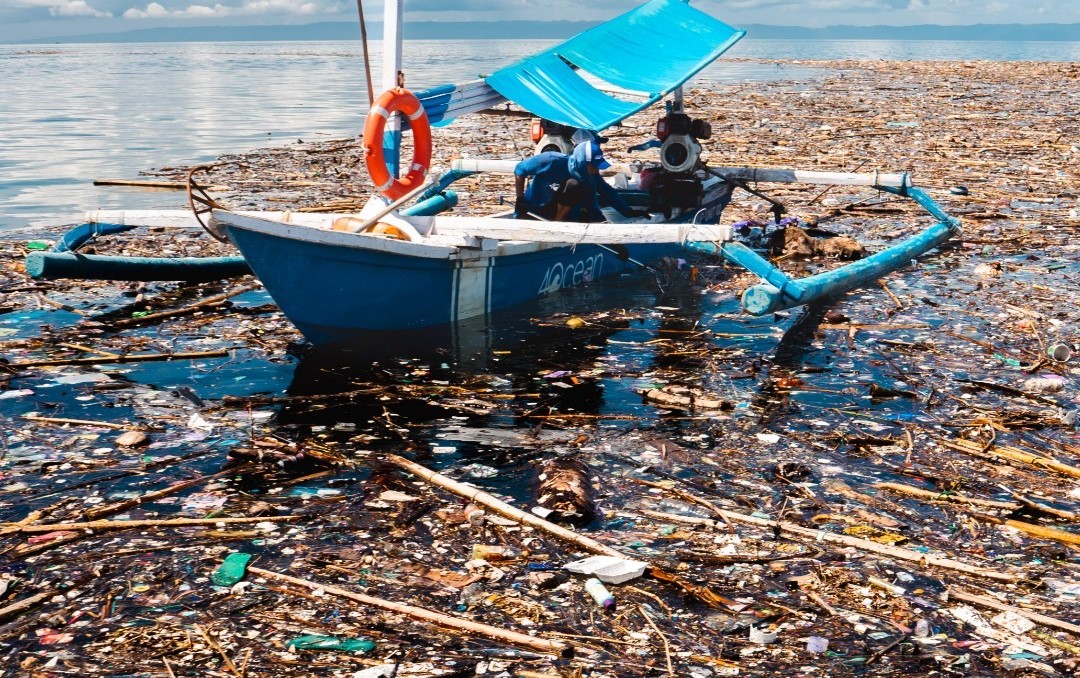
ASIATODAY.ID, JAKARTA – A major breakthrough has come from Indonesian researchers to tackle marine debris in the Asia Pacific region.
The reason is that marine debris has now become one of the biggest threats to the global maritime ecosystem.
The ship innovation was presented by Handy Chandra, researcher at the Center for Environmental Research and Clean Technology, National Research and Innovation Agency (BRIN) Indonesia, at the 39th edition of EnviroTalk which took place Wednesday, November 20 2024.
During the event, he explained various ship innovations designed to manage marine waste efficiently, ranging from rubbish collection ships to ships with onboard processing technology.
“Modern technology allows ships not only to be a means of transportation, but also as a direct and effective solution for marine waste management,” said Handy in his presentation entitled Vessel Innovation to Combat Marine Debris: APEC Lessons Learned.
According to Handy, vessel innovation can be the key in dealing with marine waste, especially in APEC (Asia-Pacific Economic Cooperation) countries. For this reason, he emphasized the importance of collaboration between countries, especially in the Asia Pacific region, to support the widespread adoption of this technology.
Furthermore, Handy explained several ship innovations that had been tested, including Marine Debris Collector Vessels, namely ships equipped with filter devices and mechanical arms to collect plastic waste from the waters. There are also ships with onboard processing systems, namely ships with waste processing technology directly on board, which reduces disposal on land.
Apart from that, there are also ships that have been developed using environmentally friendly materials based on lightweight composites and more durable materials.
However, Handy admits that the development of this innovative ship technology also faces a number of challenges, such as high technology development costs, lack of supporting regulations, and limited infrastructure in several countries.
To overcome this, he encouraged discussion forums between countries in the APEC region to share experiences and strategies for implementing environmentally friendly ship innovations.
Apart from technological issues, Handy also highlighted the important role of society in preserving the sea.
According to him, this innovative solution does not have to use new ships, existing traditional ships such as canoes can also be used by the community to clean the sea.
It is hoped that this ship innovation will be a concrete step to reduce marine waste and protect the maritime ecosystem for future generations.
“We hope that our research will not just stop on paper, but will actually provide real benefits to society,” concluded Handy. (AT Network)
Follow Us at Google News and WA Channel