
ASIATODAY.ID, JAKARTA — The Government of Republic of Indonesia, through the Ministry of Forestry (MoF), has reaffirmed its strong commitment to promoting fair, transparent, and sustainable forest governance by ensuring that all timber produced and traded from Indonesia is legal, sustainable, and fully verified.
The utilization of forest resources in Indonesia is strictly regulated under the legal framework governing the Forest Utilization Business License (PBPH), Social Forestry, and Forest Management Rights, as well as the Timber Utilization Permit for Non-Forestry Activities (PKKNK) on Other Land Use Areas (APL)—forest-covered areas not designated as state forests. These licensing schemes ensure that any land preparation, forest plantation, or infrastructure development follows official authorization and includes mandatory environmental and social safeguards.
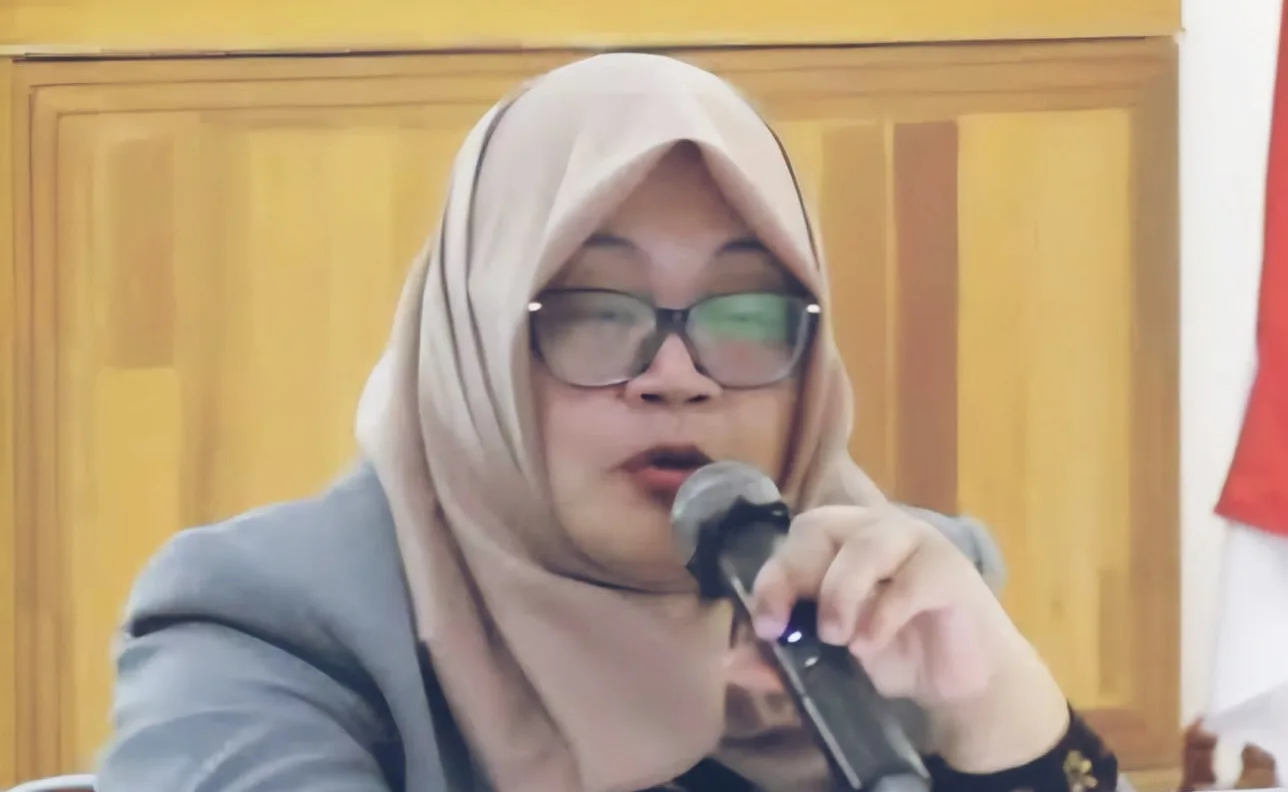
Director General of Sustainable Forest Management (PHL), Laksmi Wijayanti, emphasized:
“Under Indonesian law, timber produced under PBPH licenses within forest zones or under PKKNK permits in other land-use areas is the result of a legal process, strictly monitored and verified through the Timber Legality and Sustainability Verification System (SVLK).”
In Indonesia’s forestry policy, deforestation refers to the permanent conversion of forested areas into non-forest land. Regulated timber utilization is aimed at ensuring that forests—as renewable natural resources—are used sustainably and responsibly for the greatest benefit.
“The government has passed various milestones in refining forest sustainability policies while continuously strengthening oversight and mitigating negative risks,” Laksmi added quoted on October 30, 2025.
“The ongoing improvement of forest governance remains the foundation of all forestry strategies and national priorities.”
The government distinguishes illegal deforestation—unlicensed clearing that causes environmental damage—from authorized land-use changes approved as part of national development plans, such as plantation forests, public infrastructure, or other legally permitted forest uses.
Indonesia’s forestry management framework is rooted in several key laws and regulations, including Law No. 41/1999 on Forestry, Law No. 11/2020 on Job Creation, Government Regulation No. 23/2021 on Forestry Management, and Ministerial Regulation No. 8/2021 on Forest Planning and Utilization. These laws mandate that all forest management adhere to Sustainable Forest Management (PHL) principles, requiring license holders to replant, conserve biodiversity, and involve local communities in forest management.
“Land clearing under PBPH or PKKNK is part of a regulated and measurable landscape management process,” Laksmi explained.
“In plantation forest areas, reforestation follows immediately, ensuring the sustainability of forest functions within a continuous management cycle.”
Timber produced from such activities—commonly referred to as conversion timber—is legally recognized as long as it originates from authorized license holders and is processed through the SVLK system.
Director of Forest Product Processing and Marketing (BPPHH), Erwan Sudaryanto, stated:
“All timber traded from licensed operations must carry verified documentation under the SVLK scheme. This system ensures not only legality but also sustainability and full traceability throughout the supply chain. Indonesia is among the world’s most transparent countries in timber verification.”
He added that the SVLK continues to evolve to align with global regulations, including emerging deforestation-free trade policies, while ensuring fairness for domestic businesses and communities dependent on forest resources.
Laksmi reaffirmed: “In the entire wood-based industry and supply chain, licensing and compliance are the backbone of integrity. The government maintains zero tolerance for illegal deforestation and fraudulent practices because Indonesia’s reputation in global markets depends on it. It is therefore essential to distinguish factual, lawful land-use activities from illegal deforestation claims while consistently enforcing regulations.”
All forest utilization permits require three core actions:
1. Periodic Comprehensive Forest Inventories (IHMB) to assess forest potential accurately.
2. Long-Term Forest Management Plans to balance economic, ecological, and social sustainability.
3. Annual Work Plans ensuring measurable, transparent implementation and early detection of irregularities.
“At the operational level,” Erwan continued, “timber harvesting data—covering site location, volume, and tracking through the entire value chain—is systematically recorded, including replanting obligations and ecosystem recovery measures.”
In the era of transparency, the government welcomes public monitoring initiatives and continues to strengthen digital systems for data accessibility and accountability. The ongoing digitalization of forestry governance enhances transparency, while collaboration with independent institutions, civil society, and international partners ensures the credibility of Indonesia’s national timber traceability system.
“We want the public and international trade partners to have full confidence that Indonesian timber comes from legal, sustainable, and transparently verified sources,” Erwan emphasized. “Indonesia is not only exporting wood products—it is exporting the values of sustainability and integrity.”
The Government of Indonesia remains committed to balancing economic development and environmental conservation. With the support of local communities, private sector stakeholders, and international partners, Indonesia continues to strengthen a forest governance system that is just, transparent, and sustainable.
“Indonesian timber is legal, sustainable, and verified. This is the government’s true commitment to wise forest management, maintaining global market trust, and ensuring forest resource sustainability for future generations,” concluded Director General Laksmi Wijayanti. (Silvia Andriani)
Follow Us at Google News and WA Channel