
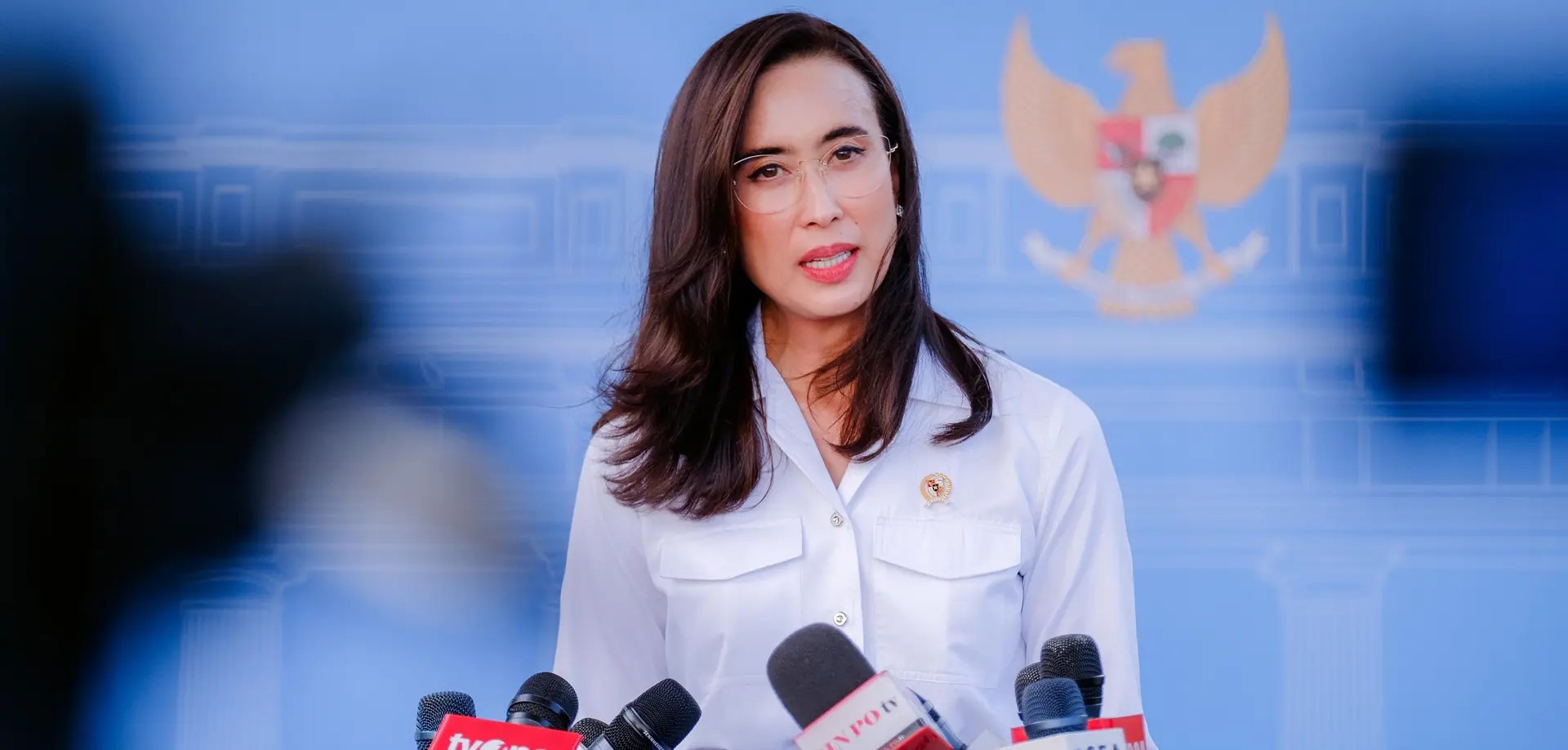
ASIATODAY.ID, JAKARTA – Indonesia’s Minister of Tourism, Widiyanti Putri Wardhana, has emphasized that the country’s tourism sector holds vast potential to become a key pillar of the national economy, especially in countering the impact of trade tariff policies imposed by the United States. This statement comes in response to the “Reciprocal Tariffs” policy introduced by US President Donald Trump, which targets imports from several countries, including Indonesia.
According to Widiyanti, Indonesia’s tourism sector is highly competitive and can significantly contribute to the economy, particularly as a source of foreign exchange that is immune to international trade barriers.
“When exports are hit with high tariffs, we must look to other sectors that can balance this out. Tourism is a service export that remains unaffected by trade tariff policies. By attracting more international visitors, we can stabilize the rupiah and boost the country’s foreign exchange reserves,” Widiyanti said on Sunday, April 6, 2025.
To this end, Widiyanti called upon all stakeholders in the tourism industry to focus on three key strategies to navigate the dynamics of global trade.
1. Tourism as an “Economic Balancer” through Service Exports
Indonesia boasts immense tourism potential, thanks to its rich natural landscapes, cultural heritage, and vibrant local creativity. Despite attracting around 13.9 million international tourists, visitor distribution is still concentrated in a few primary destinations.
“We urge tourism stakeholders across Indonesia to seize the opportunities arising from changes in global dynamics. By preparing tourist destinations, products, and businesses comprehensively, Indonesia can further establish itself as a world-class travel destination. The government is also committed to continually supporting integrated tourism promotion and development, making this sector a key source of foreign exchange, which plays an essential role in maintaining national economic stability,” Widiyanti added.
2. Maximizing MSMEs and Local Economies in Tourism
The Ministry of Tourism emphasizes that Indonesia’s tourism potential extends beyond its main destinations, with opportunities for growth in rural areas and tourist villages. Developing these regions and supporting tourism-based economic activities will help distribute economic benefits more evenly across the country. This initiative is expected to reduce reliance on the manufacturing export sector, which is vulnerable to international trade tariff policies.
3. Focusing on “High-Quality Tourism” Development
The Ministry of Tourism is also urging tourism operators to focus not only on increasing visitor numbers but also on enhancing high-quality tourism experiences that encourage higher spending. Historical data shows that tourists seeking premium experiences are more resilient to global economic fluctuations.
As part of its flagship “Tourism Upgrade” program, the Ministry is focusing on maritime tourism, gastronomy, and wellness tourism as ways to develop high-quality, sustainable tourism offerings.
With these strategic measures in place, Widiyanti is confident that Indonesia’s tourism sector will not only support the national economy in the face of external pressures but also establish the country as a leading global tourism destination.
“Through a more integrated and sustainable development of the tourism sector, Indonesia can strengthen its national economy while creating new opportunities for communities across various regions,” she concluded. (AT Network)
Follow Us at Google News and WA Channel