
ASIATODAY.ID, JAKARTA – Paramadina University lecturer and Co-Founder & Head Advisor of the Paramadina Public Policy Institute (PPPI), Wijayanto Samirin views that the turmoil in the Middle East will have a major impact on the economies of several Asian countries.
This is because Middle Eastern countries provide 35% of the world’s total oil production, of which around 30% is sent to the Asian region via the Strait of Hormuz.
“There are several countries that have experienced very negative consequences due to the conflict in the Middle East, namely countries that take oil directly from the Middle East. The problem is not only price, but also the availability of goods,” he explained in a virtual discussion at Paramadina University, quoted on Wednesday. April 24, 2024.
Based on US Energy Information Administration Analysis data, several Asian countries such as China, Japan, South Korea, India and the Philippines are recorded to be seriously affected.
This is different from European countries which rely more on oil supplies from the United States (US), Norway and Kazakhstan, while the portion of oil originating from the Middle East is only 10% of the total.
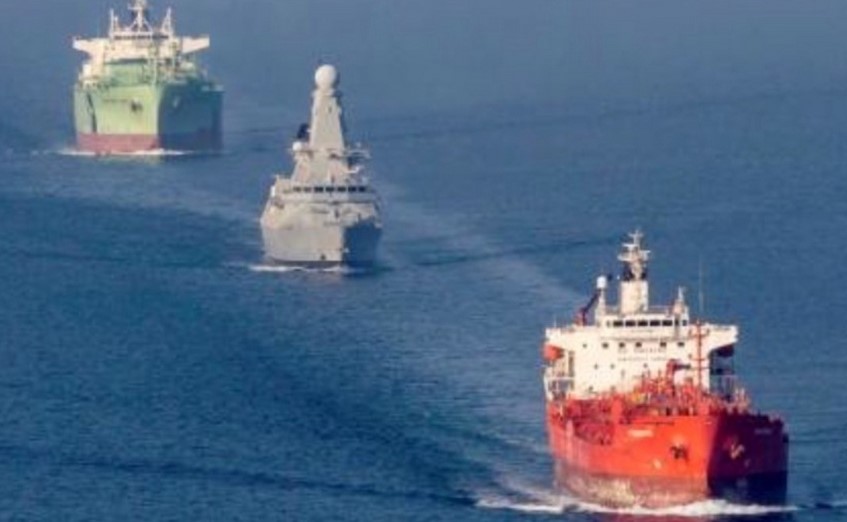
“As much as 30% of the world’s oil is distributed through the Strait of Hormuz, and 70% of it goes to Asia, such as China, India, Japan and South Korea,” he added.
In detail, China meets 61% of its total oil needs from the Middle East. Meanwhile, Japan and the Philippines have the highest dependency, reaching 95% and 90% of their needs respectively. Meanwhile, South Korea relies on the Middle East to meet 67% of its needs, India reaches 53%, Singapore 67%, and Thailand 62%.
Meanwhile, the majority of Indonesia’s crude oil import supplies come from Saudi Arabia, followed by Angola, Nigeria, the US, Australia and Gabon. Meanwhile, for LPG imports, Indonesia sources from the US, United Arab Emirates, Saudi Arabia and Qatar.
Meanwhile, for Pertamina’s fuel oil imports, the majority comes from Singapore, Malaysia and India. (ATN)
Check out other news and articles at Google News and WA Channel