
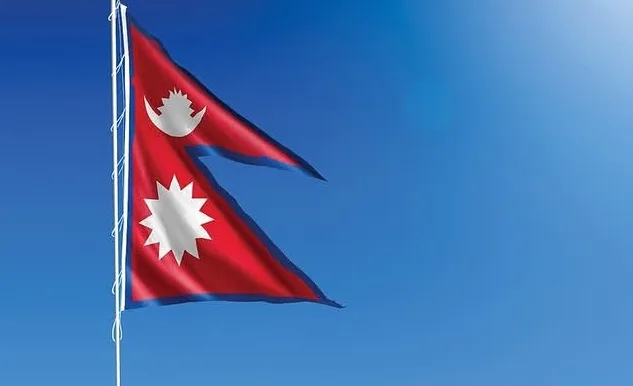
ASIATODAY.ID, WASHINGTON — At the request of the Nepali authorities, the International Monetary Fund (IMF) has deployed a Technical Assistance mission led by Jonathan Pampolina to Kathmandu from January 12 to 21, 2026, to initiate a Governance and Corruption Diagnostic (GCD).
The GCD is designed to identify governance weaknesses that are critical to macroeconomic stability and expose vulnerabilities to corruption, while formulating a concrete action plan featuring specific, sequenced, and prioritized reform recommendations.
This hybrid scoping mission marked the formal launch of the GCD process through extensive engagement with key stakeholders, focusing on governance and corruption risks within the most critical core state functions, as identified under the IMF Enhanced Governance Framework of 2018.
For Nepal, the GCD will cover key areas including fiscal governance—particularly public financial management and revenue administration—financial sector oversight, the rule of law, and the framework for anti-money laundering and combating the financing of terrorism (AML/CFT).
The diagnostic will also assess the effectiveness of Nepal’s legal and institutional anti-corruption frameworks in supporting macroeconomic objectives.
During the mission, the IMF team held consultations with a wide range of state institutions, including the Ministry of Finance, Nepal Rastra Bank, the Constitutional Council, the Supreme Court of Nepal, the Judicial Council, the Public Service Commission, the Commission for the Investigation of Abuse of Authority, the Office of the Auditor General, the Office of the Attorney General, the National Planning Commission, the National Information Commission, the National Vigilance Center, the Financial Intelligence Unit, the Ministry of Law, Justice and Parliamentary Affairs, the Ministry of Industry, Commerce and Supplies, the Financial Comptroller General’s Office, the Inland Revenue Department, the Department of Customs, and the Special Court for Corruption Cases, among others.
In addition to government bodies, the IMF team engaged with business associations, civil society organizations, and international development partners to gather a comprehensive range of perspectives on governance challenges and anti-corruption efforts in Nepal.
The IMF expressed appreciation for the Nepali authorities’ commitment to the diagnostic process and reaffirmed its readiness to continue close cooperation.
The main GCD mission is expected to take place in the coming months to deepen engagement and discussions on reform measures aimed at strengthening governance, institutional integrity, and economic performance.
The GCD will culminate in a diagnostic report providing an in-depth analysis of the nature and severity of corruption in Nepal, identifying key governance weaknesses and vulnerabilities, and proposing a targeted, sequenced, and prioritized reform roadmap to address them. (AT Network)
Follow Us at Google News and WA Channel