
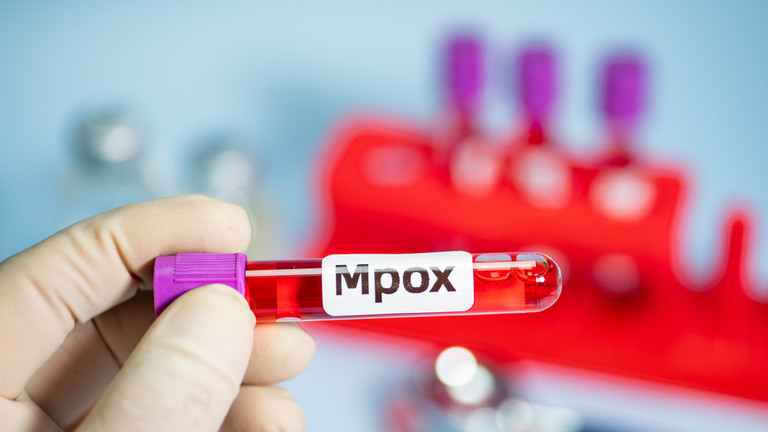
ASIATODAY.ID, NEW YORK – The World Health Organization has confirmed the detection of a new recombinant strain of the mpox virus in the United Kingdom and India—raising fresh concerns over viral evolution and the limits of current diagnostic tools.
Although the overall global public health risk assessment remains unchanged, WHO is urging countries to intensify genomic surveillance after laboratory analysis revealed that the virus contains genetic material from two known clades: Ib and IIb.
So far, two cases have been identified—one in the UK and one in India. Both individuals had recent travel histories and experienced mild illness. Contact tracing found no secondary transmission.
However, genomic analysis indicates the two patients “fell ill several weeks apart with the same recombinant strain,” suggesting that additional undetected cases may exist.
What Is Mpox?
Mpox (formerly known as monkeypox) is an infectious disease caused by the monkeypox virus (MPXV), part of the Orthopoxvirus genus—which also includes the virus responsible for smallpox.
Common symptoms include: Fever, Swollen lymph nodes, Skin rash or lesions, Muscle aches and fatigue.
The virus spreads through:
– Close physical contact, including sexual contact
Respiratory droplets
– Contaminated materials such as bedding or clothing
Viral Recombination: A Natural but Concerning Process
WHO explains that recombination is a natural process that occurs when two related viruses infect the same individual and exchange genetic material, creating a new variant.
In this instance:
United Kingdom case (December 2025): Initially identified as clade Ib through PCR testing, but whole genome sequencing later revealed genetic elements from both clade Ib and clade IIb. Further sequencing confirmed the virus is capable of replication and has potential for onward transmission.
India case (September 2025): Originally classified as clade II MPXV. After updates to global genomic databases, it was reclassified as the same recombinant strain identified in the UK—making it the earliest known detection of this variant.
WHO cautioned that clade-specific PCR tests alone may not reliably detect recombinant strains, underscoring the importance of full genomic sequencing.
Global Risk Assessment Remains Unchanged
According to WHO, the overall risk remains:
Moderate for men who have sex with men with new and/or multiple partners, sex workers, and individuals with multiple casual sexual partners.
Low for the general population without specific risk factors.
At present, WHO does not recommend any travel or trade restrictions.
Call for Continued Vigilance
WHO is urging all countries to:
– Strengthen epidemiological surveillance
– Expand genomic sequencing capacity
– Continue vaccination efforts for at-risk groups
– Maintain infection prevention and control measures
While the recombinant strain has not yet shown increased severity or transmissibility, health authorities warn that viral evolution remains ongoing—and surveillance gaps could allow new variants to spread unnoticed.
The message from WHO is clear: vigilance must not wane. (AT Network)
Follow Us at Google News and WA Channel