
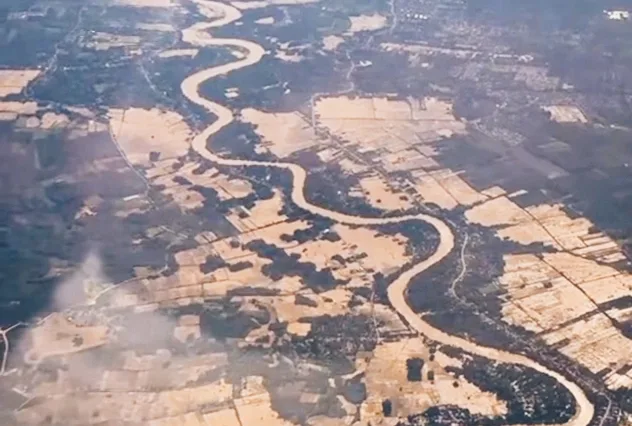
ASIATODAY.ID, JAKARTA – Devastating floods and landslides have struck Aceh, North Sumatra, and West Sumatra, leaving at least 916 dead, thousands missing, and hundreds injured. The scale of the disaster has prompted countries worldwide to rush humanitarian aid to help the victims in Sumatra.
The disaster has left thousands of residents isolated and lacking essential supplies, including food, clean water, and medicine, while roads and bridges remain destroyed by floods and landslides.
Countries Offering Humanitarian Assistance
Malaysia
Haluan Malaysia sent a team of volunteers with a truck and two vehicles carrying RM10,000 worth of food and medical supplies to Aceh. Baharudin Suri, Vice President of Haluan’s Welfare and Humanitarian Cluster, emphasized that the aid aims to alleviate the suffering of residents running out of essential supplies.
China
China deployed five volunteer rescuers equipped with tools to locate bodies in Aceh. The team arrived on December 6, 2025, and immediately coordinated with Aceh Governor Muzakir Manaf.
Muslim World League (MWL)
The MWL, based in Mecca, Saudi Arabia, committed to deploying all available resources to assist flood and landslide victims in Indonesia. Secretary-General Sheikh Mohammed bin Abdulkarim Al-Issa emphasized the organization’s dedication to providing rapid support for survivors.
Other Countries
World leaders have expressed condolences and pledged support, including Japanese Prime Minister Sanae Takaichi, Russian President Vladimir Putin, Saudi Crown Prince Mohammed bin Salman, Iranian President Masoud Pezeshkian, King Charles III, and UAE Ambassador Abdulla Salem Al Dhaheri.
Aid promises include tents, bedding, blankets, tarpaulins, water containers, and water purification tools.
Indonesia Rejects International Aid, Recovery May Take 30 Years
Despite numerous offers of assistance, President Prabowo Subianto insisted Indonesia can handle the disaster independently, stating national capacity is sufficient to manage the crisis.
Foreign Minister Sugiono added that international aid will only be accepted if deemed absolutely necessary. Currently, the Disaster Ready Fund (DSP) of IDR 500 billion is allocated for emergency response, with additional budgets available if required.
However, on the ground, many affected areas report slow government response. Several Aceh regents, including Haili Yoga (Aceh Tengah) and Iskandar Usman Al-Farlaky (Aceh Timur), officially declared inability to manage emergency relief.
A resident of Aceh Tamiang, Fitriana, shared that her home was swept away and her family survived three days atop their roof without food or water.
She pleaded, “We beg for help; as citizens who lost their homes, what is the solution for us?”
Infrastructure Damage Across Sumatra Is Severe
The Ministry of Public Works reported 1,666 damaged infrastructure points across the three provinces:
Aceh: 477 points, including breached levees and landslides.
North Sumatra: 275 points, including cut-off and flooded roads.
West Sumatra: 914 points, including collapsed bridges and landslides.
Several national non-toll roads remain impassable, hampering aid delivery. In Aceh, routes from Merudu to Bireuen, Aceh Tengah, and Gayo Lues are destroyed. North Sumatra sees closures along Tarutung-Sibolga and Sibolga-Batangtoru roads. West Sumatra’s Padang Panjang-Sicincin stretch is also severely affected.
Deputy Minister Diana Kusumastuti said efforts are underway to restore access with support from the military and police.
Slow Government Response vs. Local Efforts
In Tapanuli Tengah, residents report insufficient aid distribution. Bang Nas described a government helicopter dropping only 50–80 boxes of instant noodles, which led to desperate scrambling. Clean water remains scarce, forcing people to bathe in muddy rice fields.
In Aceh Tamiang, Fitriana and her children endured a life-threatening flood, losing all possessions and experiencing severe trauma.
Disaster experts argue that this flood should be declared a national disaster, given its massive impact on 3.2 million people across 51 districts in Sumatra-Aceh and the extensive damage to urban areas.
For attention, the Sumatra floods and landslides represent a major humanitarian crisis, with thousands dead, widespread homelessness, and extensive infrastructure destruction.
While multiple countries have offered aid, the government’s refusal of international assistance raises concerns about the effectiveness of emergency response.
Residents stranded without food or clean water continue to await immediate government intervention to save lives and restore basic services. (AT Network)
Follow Us at Google News and WA Channel