
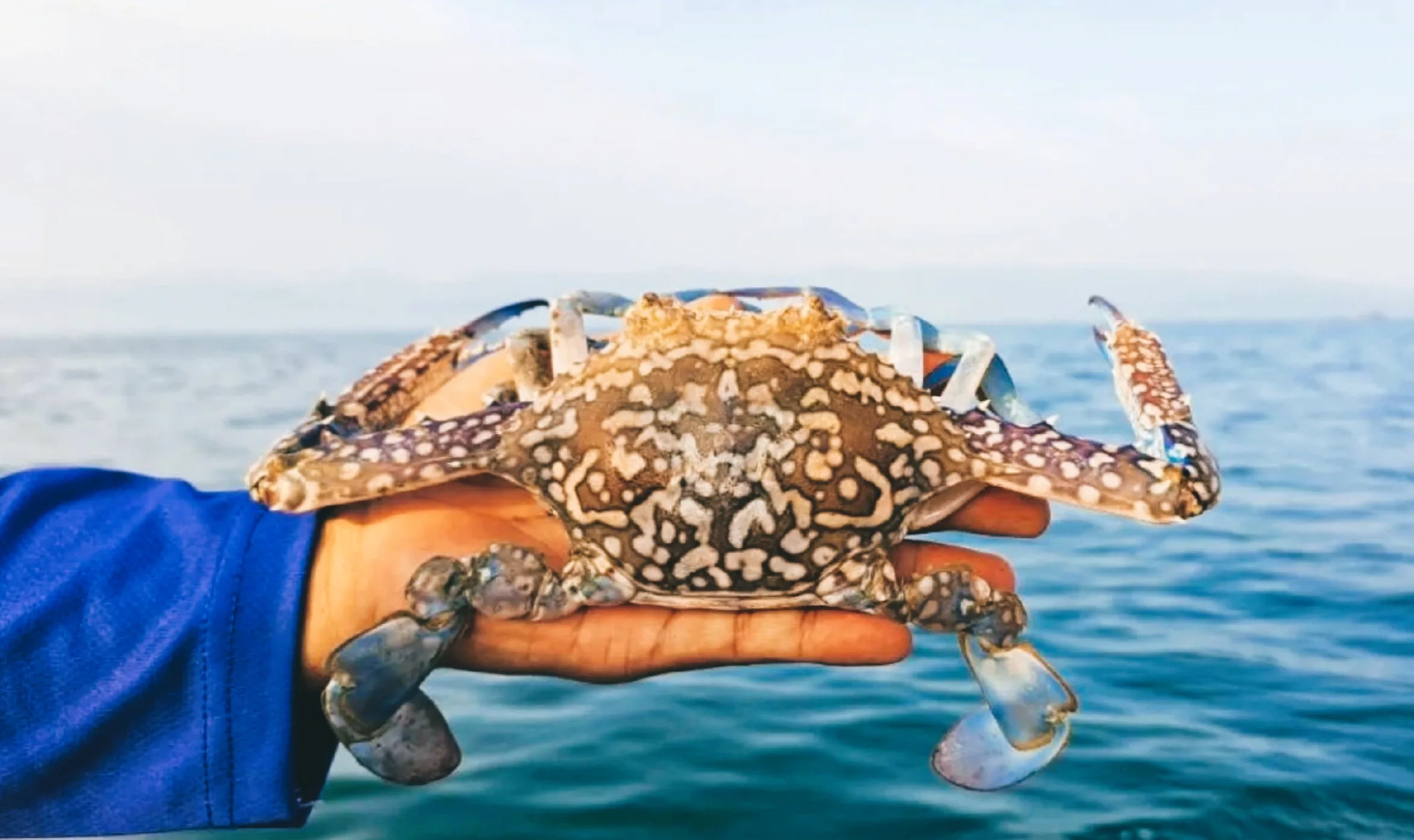
ASIATODAY.ID, JAKARTA – Indonesia’s Ministry of Marine Affairs and Fisheries (KKP) has reaffirmed that Indonesian crab exports to the United States remain secure and uninterrupted.
As of early January 2026, the ministry has issued 292 Certificates of Admissible (CoA) to facilitate the export of crab products to the US market.
The CoA is a mandatory requirement for Indonesian crab products entering the United States following the enforcement of the US Marine Mammal Protection Act (MMPA). Without this certification, Indonesian crab products cannot be sold or accepted in the destination market.
KKP previously issued Technical Guidelines for the Issuance of CoA for capture fisheries products in November 2025. Following the issuance, the ministry collaborated closely with the Indonesian Crab Processors Association (APRI) and related stakeholders to conduct extensive outreach and socialization programs. As a result, hundreds of CoA certificates have been issued across 17 fishing ports nationwide.
“This demonstrates that compliance with export requirements has become an обязатель obligation for business actors, particularly for crab commodities with high economic value,” said Lotharia Latif, Director General of Capture Fisheries at KKP, in an official statement in Jakarta quoted on Saturday, January 10, 2026.
Latif emphasized that the policy reflects the government’s active role in regulating and safeguarding fisheries products harvested by small-scale fishers so they can meet international market standards. The move also underscores the government’s commitment to maintaining sustainable access to global export markets.
“Beyond transparency in governance, this policy supports business actors in ensuring Indonesian fisheries products remain competitive in the global market. Ultimately, the goal is to improve the welfare of Indonesian fishers,” he added.
The CoA certification ensures that Indonesian crabs are caught using environmentally friendly trap gear, in line with buyer requirements, and that fishing activities do not pose a threat to marine mammals.
Latif warned that resistance to sustainable fishing regulations could weaken Indonesia’s position amid increasingly competitive and selective global seafood markets.
“If this continues, Indonesian fishers risk losing competitiveness to countries with better and more disciplined fisheries governance, making it harder for our fishers to achieve prosperity,” he stressed.
Meanwhile, Kuncoro Catur Nugroho, Chairman of the Indonesian Crab Processors Association (APRI), said the association continues to support and guide its partner fishers to ensure compliance with CoA requirements.
“Over the past two months, we have intensified data collection, outreach, registration services, and vessel logbook documentation for crab fishers. We have also provided environmentally friendly crab traps,” he explained.
APRI has distributed 10,000 foldable crab traps across seven locations—Rembang, Pamekasan, Gresik, Lamongan, Cirebon, Pasuruan, and Bekasi. An additional distribution in Lampung is scheduled for January 2026.
Previously, Minister of Marine Affairs and Fisheries Sakti Wahyu Trenggono stated that fisheries exports form a vital foundation for strengthening Indonesia’s blue economy, improving business livelihoods, and expanding the global competitiveness of Indonesian seafood products.
The government remains committed to maintaining quality, strengthening standards, and ensuring the sustainability of marine and fisheries resources. (AT Network)
Follow Us at Google News and WA Channel