
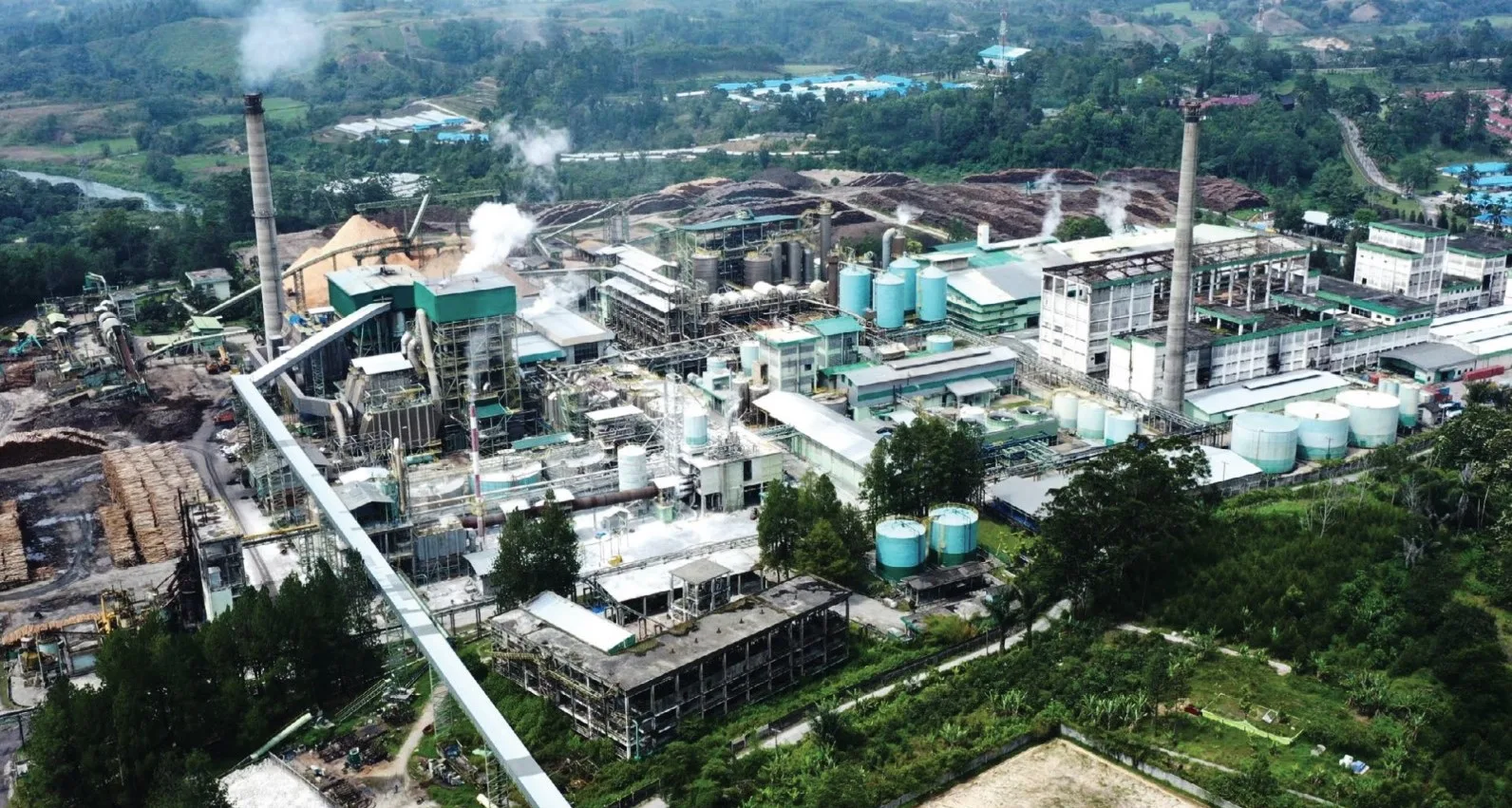
ASIATODAY.ID, JAKARTA – While many countries struggle to meet tightening global environmental standards, Indonesia’s pulp and paper industry is accelerating its export drive, positioning itself as a major force in the increasingly competitive green trade landscape.
The sector’s growing confidence was highlighted at the Opening Seminar of the Indonesian Pulp and Paper Association (APKI) 2025 Annual Working Meeting, held under the theme “Beyond Growth: Transforming Indonesia’s Pulp and Paper Industry Towards a Sustainable Future.”
Speaking at the event, Putu Juli Ardika, Acting Director General of Agro-Industry at the Ministry of Industry, underscored that the agro-industry remains the backbone of Indonesia’s non-oil and gas manufacturing sector, contributing 51.74 percent to non-oil manufacturing GDP in the third quarter of 2025.
Within this structure, the pulp and paper industry has emerged as a high-value export engine, rather than merely a resource-based sector.
USD 8 Billion in Exports, Strong Trade Surplus
Throughout 2024, Indonesia’s pulp and paper exports reached USD 8.09 billion, with a total shipment volume of 11.98 million tons, significantly exceeding imports valued at USD 3.42 billion. The figures confirm the sector’s role as a key contributor to Indonesia’s industrial trade surplus.
“As of mid-2025, Indonesia hosts 113 pulp and paper companies, with a combined capacity of 11.43 million tons of pulp and 21.31 million tons of paper, contributing 3.68 percent to non-oil manufacturing GDP,” Putu said on Tuesday, December 23, 2025.
Globally, Indonesia ranks as the seventh-largest pulp producer and the sixth-largest paper producer in the world—positions that place the country among the core players shaping global supply chains.
Beyond exports, the industry supports more than 288,000 direct jobs and approximately 1.2 million indirect jobs, reinforcing its strategic importance for regional economies.
Manufacturing Expansion Amid Global Uncertainty
Despite global economic headwinds, Indonesia’s manufacturing sector continues to expand. The Industrial Confidence Index (ICI) for November 2025 stood at 53.45, while the Purchasing Managers’ Index (PMI) reached 53.3, both firmly in expansionary territory.
However, Putu acknowledged that the pulp and paper industry also faces mounting pressure to address its environmental footprint. The industrial sector accounts for around 34 percent of national emissions, with pulp and paper contributing 15.55 percent of total industrial emissions.
Net Zero: The New Passport to Global Markets
According to the government, decarbonization is no longer optional but a prerequisite for maintaining access to global markets, particularly in Europe, North America, and East Asia.
Indonesia has committed to achieving Net Zero Emissions (NZE) in the industrial sector by 2050, in line with the country’s broader target of net zero by 2060 or earlier.
To support this goal, the Ministry of Industry is developing a national decarbonization roadmap for the pulp and paper industry, covering: aggressive energy efficiency measures, increased use of renewable energy, cleaner energy mixes, integrated waste management, and advanced technologies such as CCS/CCUS and sustainably sourced biomass.
The government is also promoting a circular economy model, particularly through the expanded use of recycled paper as raw material. This approach can reduce energy consumption by up to 60 percent compared to production using virgin inputs.
“Circular economy practices are not only about cutting emissions,” Putu emphasized.
“They enhance competitiveness, reduce import dependency, and secure the long-term sustainability of Indonesia’s exports.”
APKI Urged to Lead the Green Export Push
At the forum, APKI was urged to act as a strategic partner of the government, driving industrial modernization, energy efficiency, and rapid adoption of low-carbon technologies to ensure Indonesian pulp and paper products remain competitive under stricter global sustainability standards.
The APKI 2025 Working Meeting is expected to deliver concrete recommendations to strengthen export competitiveness and further cement Indonesia’s position as a leading force in the global pulp and paper industry in the era of green trade. (AT Network)
Follow Us at Google News and WA Channel