
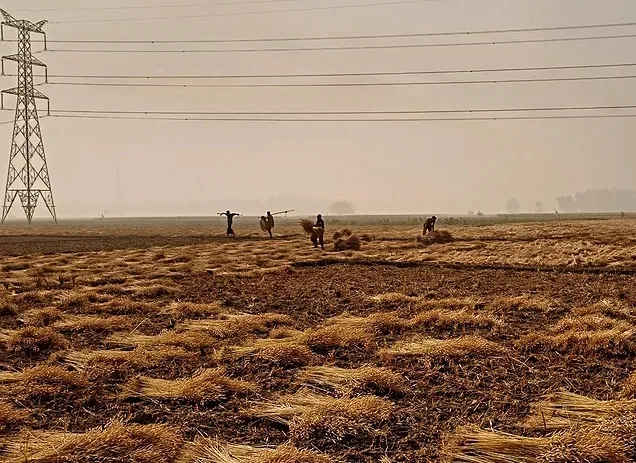
ASIATODAY.ID, WASHINGTON — The escalating conflict in the Middle East is sending shockwaves far beyond the region, with Bangladesh emerging as one of Asia’s most vulnerable economies as soaring fertilizer and fuel prices threaten food production and economic stability.
In response, the World Bank has approved US$1.1 billion in emergency financing to help Bangladesh safeguard food security, protect vulnerable households, and cushion the economy against mounting global supply chain disruptions.
According to the World Bank, rising food, fertilizer, and energy prices triggered by the Middle East conflict—combined with tightening fiscal conditions—have placed severe pressure on Bangladesh’s economy. Smallholder farmers, low-income families, and vulnerable communities are bearing the brunt of the crisis.
“The World Bank has stepped up with immediate support to help Bangladesh secure fertilizer supplies for rice production, protect households and livelihoods, and maintain essential public services,” said Jean Pesme, World Bank Division Director for Bangladesh and Bhutan on June 26.
Of the total package, US$300 million will finance the Emergency Support for Food Security Project, enabling Bangladesh to import approximately 600,000 metric tons of critical fertilizers, including urea, for the country’s two main rice-growing seasons—Aman and Boro.
Bangladesh imports more than 85 percent of its fertilizer needs, making the country highly vulnerable to disruptions in global commodity markets. The financing is expected to support rice cultivation across 1.4 million hectares of farmland operated primarily by smallholder farmers.
World Bank Lead Economist Souleymane Coulibaly noted that the Aman and Boro seasons account for roughly 90 percent of Bangladesh’s total rice production. With nearly half of the country’s population employed in agriculture, any interruption in fertilizer supplies could jeopardize food security, deepen poverty, and put millions of jobs at risk.
Beyond food security, the World Bank has allocated US$713 million through the Contingent Emergency Response Project to finance rapid emergency spending. The funding will support cash transfers, livelihood assistance, and relief for micro, small, and medium-sized enterprises (MSMEs), while ensuring uninterrupted supplies of fuel and energy needed to sustain essential services, including food distribution, healthcare, electricity, and water.
Lesley Jeanne Yu Cordero, the World Bank’s Lead Disaster Risk Management Specialist, said the project provides Bangladesh with immediate access to emergency financing by repurposing undisbursed funds from existing World Bank operations, allowing authorities to respond swiftly without waiting for new financing mechanisms.
The US$1.1 billion rescue package underscores growing international concern over food security risks across South Asia as geopolitical tensions continue to disrupt global commodity markets.
As the Middle East conflict fuels volatility in energy and fertilizer prices, Bangladesh has become one of the first countries to receive large-scale emergency financing aimed at preventing a food crisis from escalating into a broader economic and social emergency. (AT Network)
Follow Us at Google News, WA Channel, and LinkedIn