
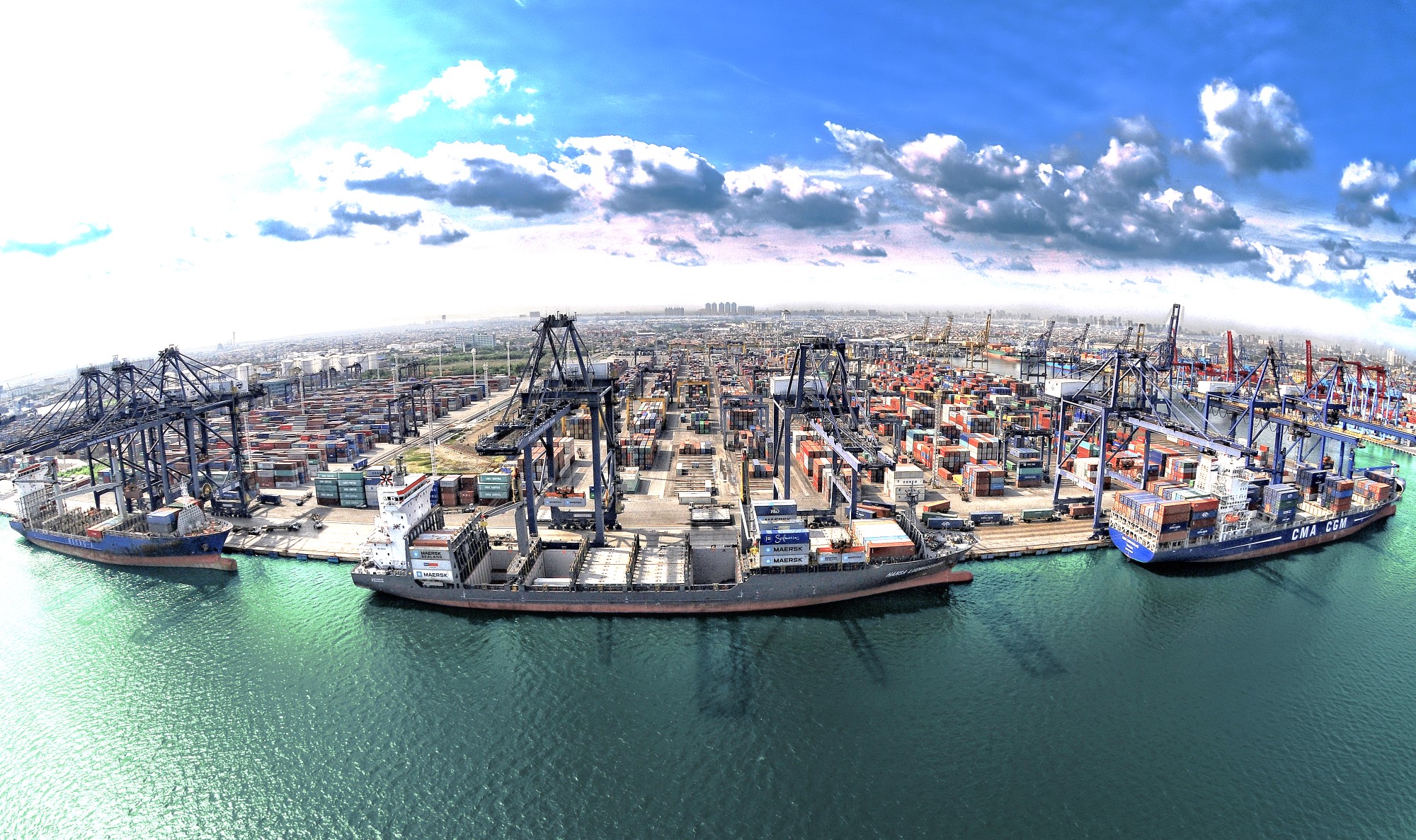
ASIATODAY.ID, JAKARTA — Indonesia’s impressive trade performance in 2025 masks a deeper structural imbalance.
Despite posting a record trade surplus of US$41.05 billion, the country continued to suffer significant trade deficits with three major partners, with China accounting for the largest shortfall by far.
Data released by Statistics Indonesia (BPS) show that China, Australia, and Brazil were Indonesia’s top sources of trade deficits last year. Among them, China stood out as the most dominant contributor.
Deputy for Distribution and Services at BPS, Ateng Hartono, said Indonesia’s trade deficit with China reached US$22.17 billion, driven primarily by imports of machinery and mechanical equipment, including industrial components critical to domestic production.
“China recorded the deepest trade deficit for Indonesia, largely due to imports of machinery and mechanical appliances and their parts,” Ateng said during a press briefing on Monday, February 2, 2026.
Deficits Beyond China
While China accounted for the bulk of the deficit, Indonesia also recorded a US$4.88 billion trade deficit with Australia, mainly from imports of cereals, mineral fuels, and metal ores, slag, and ash.
Meanwhile, Brazil contributed a US$1.76 billion deficit, driven by imports of food industry residues and cotton.
Strong Surpluses, Uneven Gains
At the same time, Indonesia enjoyed substantial trade surpluses with several key economies. The United States emerged as Indonesia’s largest surplus partner, contributing US$21.12 billion, followed by India at US$13.62 billion and the Philippines at US$8.33 billion.
Indonesia’s trade surplus was supported by a narrow group of export-heavy commodities. The top contributors included:
– Animal and vegetable fats and oils
– Mineral fuels
– Iron and steel
– Nickel and nickel-based products
– Footwear
However, the deficit side of the ledger reveals a contrasting picture. Indonesia’s largest deficit-generating imports remain concentrated in capital-intensive and technology-driven goods, including:
– Machinery and mechanical appliances
– Electrical machinery and equipment
– Plastics and plastic products
– Optical, photographic, cinematographic, and medical instruments
– Cereals
December Remains Positive
In December 2025, Indonesia still posted a monthly trade surplus of US$2.51 billion. The surplus was driven by non-oil and gas trade worth US$4.60 billion, partially offset by a US$2.09 billion deficit in the oil and gas sector.
Exports in December reached US$26.35 billion, exceeding imports of US$23.83 billion, according to BPS data.
Structural Warning Behind the Surplus
While Indonesia’s headline surplus reflects strong export demand—particularly for resource-based commodities such as nickel—the persistent deficits with major economies highlight structural vulnerabilities in the country’s trade balance.
Heavy reliance on imported machinery and strategic industrial inputs suggests that Indonesia’s surplus remains uneven and potentially fragile, reinforcing calls for deeper industrialization, downstream development, and long-term import substitution. (AT Network)
Follow Us at Google News and WA Channel